
By Joseph T Ellington Jr – Licensed Residential Appraiser, Capital Valuations. Historical 2022 comparison reviewed September 2026; not a current price forecast.
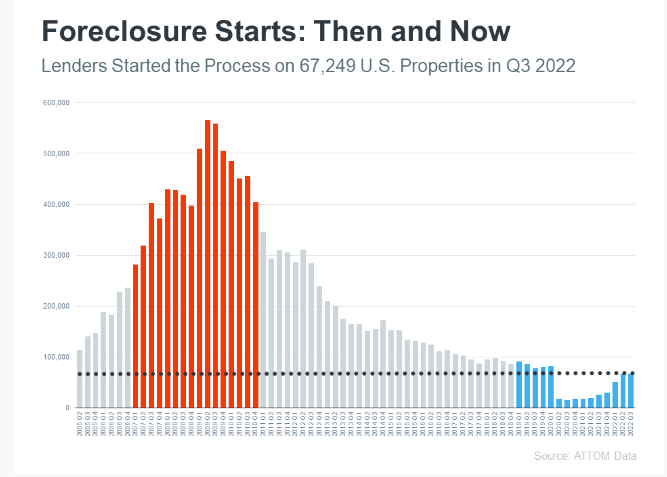
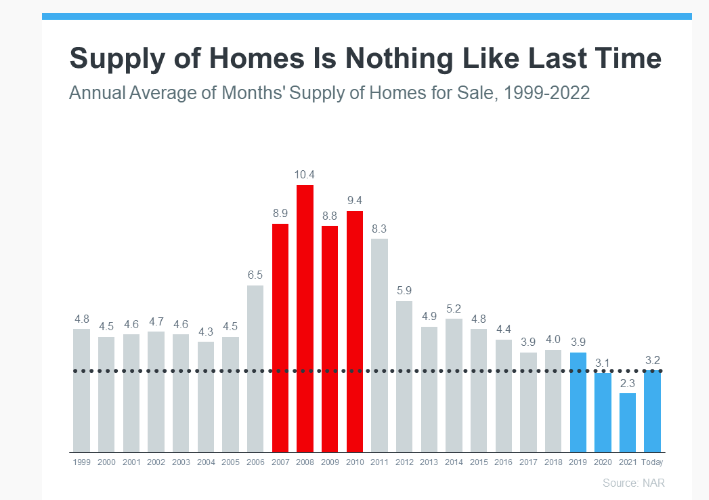
In 2022, many homeowners asked whether another 2008 housing collapse was inevitable. A useful comparison looks at mortgage credit, financing costs, supply, and local sales. Different conditions can lower one risk while leaving others. A national analogy cannot establish the future value of a particular Hampton Roads home.

What changed after the financial crisis?
Loose underwriting and loans that did not adequately account for repayment ability contributed to the earlier crisis. Later federal rules require lenders to make a reasonable, good-faith determination of ability to repay for most covered residential mortgage loans. The CFPB explains the rule. This does not make borrowers or prices immune from stress.
| Question | 2008 context | How to assess another period |
|---|---|---|
| Credit | Underwriting deterioration was central | Review loan quality, delinquency, and current rules |
| Affordability | Payment shocks affected some loans | Examine financing costs and buyer budgets |
| Local prices | National patterns hid uneven markets | Study closed sales, concessions, and inventory locally |

Rates and local sales
The Freddie Mac rate archive documents historical financing conditions. For a Norfolk, Hampton, or Virginia Beach appraisal, the question is what buyers paid for comparable properties by the effective date. Fannie Mae's sales comparison guidance and our comp selection article explain the approach.



What to do with a current property question
Use recent local sales, an agent's pricing advice when selling, and a property-specific appraisal if needed for a defined purpose. Ask Joe about a residential assignment. For the separate 2023 forecast debate, see our archived recession article.