
A pool can add value, but its contribution depends on the property, condition, and competing sales. Installation cost is not the appraisal adjustment. The useful question is what buyers pay for a comparable home with that kind of pool in that market.
By Joseph T. Ellington Jr., Virginia Licensed Residential Appraiser · Capital Valuations
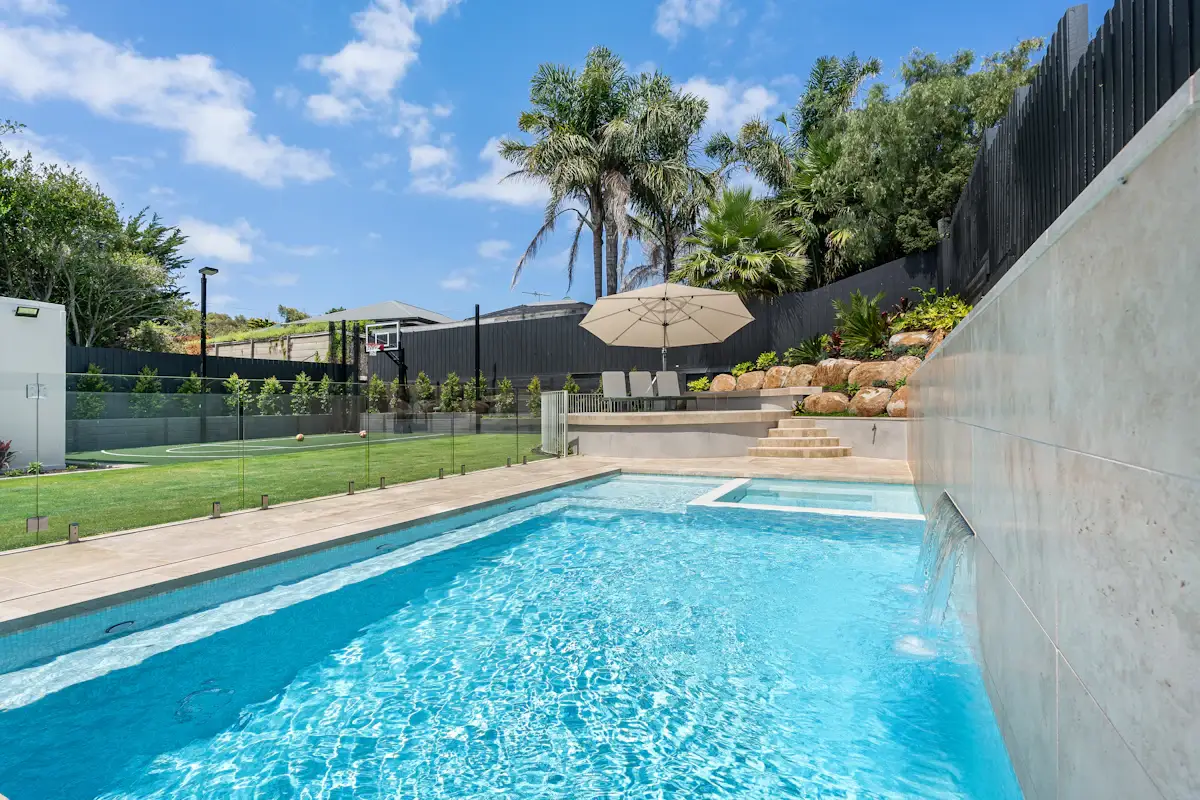
What I have seen in local assignments
In my local appraisal work, buyer interest in pools has generally been positive, with exceptions. That experience is a reason to investigate the market, not a rule that every pool adds the same amount or that every buyer wants one.
I have seen pools that cost roughly $50,000 to $60,000 contribute around $10,000 to $15,000 in particular past assignments. Those are recollections from that work, not current installation quotes or an adjustment range to apply to another home. They illustrate why cost recovery should not be assumed.
How comparable sales help
I look for one or more suitable pool sales. When recent evidence is scarce, older sales may help, provided I consider market changes and the other differences between the properties. The sale-price gap is not automatically the pool’s contribution.
I also distinguish an in-ground pool from a portable or removable above-ground pool. They can represent different property interests and buyer benefits. The phrase “above-ground” alone does not settle whether a particular installation is real or personal property; the actual installation and applicable assignment requirements matter.
What if the nearby comparable homes do not have pools?
A nearby sale without a pool may still help explain the home’s broader competitive market. A sale with a pool is not automatically the best comparison if its location, house, or overall condition differs substantially. The analysis needs to weigh those differences together rather than credit the entire price gap to the pool.
For homeowners, useful information includes the pool’s type, known condition, and available records of significant work. That gives the appraiser better property facts without turning the pool’s original installation cost into a preset contribution to home value.
Condition and visibility affect the analysis
I observe what is visible: clear or cloudy water, an empty or covered pool, and apparent damage such as a torn liner. I do not test the equipment or certify the pool’s operation. A specialist’s inspection may answer questions that the appraisal visit cannot.
I encountered a pool that had been only partly filled in. I considered the remaining condition a hazard and called for the filling work to be completed. That example concerns an observed condition; it is not evidence that all unused pools must receive the same treatment.
A cover can limit what is observable. Any assumption must have a reasonable basis, be disclosed as required, and fit the assignment. It cannot be used to dismiss a known problem.
Before installing, repairing, or removing a pool
I would not install a pool solely on the expectation of making a profit or recovering every dollar. Personal enjoyment may be a good reason for a project, but it is a different benefit from resale contribution.
Provide available permits, repair records, and inspection findings. Describe any known issues and make the relevant areas accessible. For a selling decision, my improvement-value guide explains how to separate a project budget from a supported market-value conclusion.
About the author
I’m Joseph T. Ellington Jr., a Virginia Licensed Residential Appraiser and the owner of Capital Valuations in Virginia Beach. I have 20+ years of appraisal experience serving Hampton Roads homeowners.