
Last updated
Home improvements can add appraisal value when buyers in the property’s market recognize the better condition, function, quality, or space. Kitchens, bathrooms, and additions may contribute, but there is no fixed return. I inspect the completed work and look for market evidence rather than adding renovation receipts to the value.
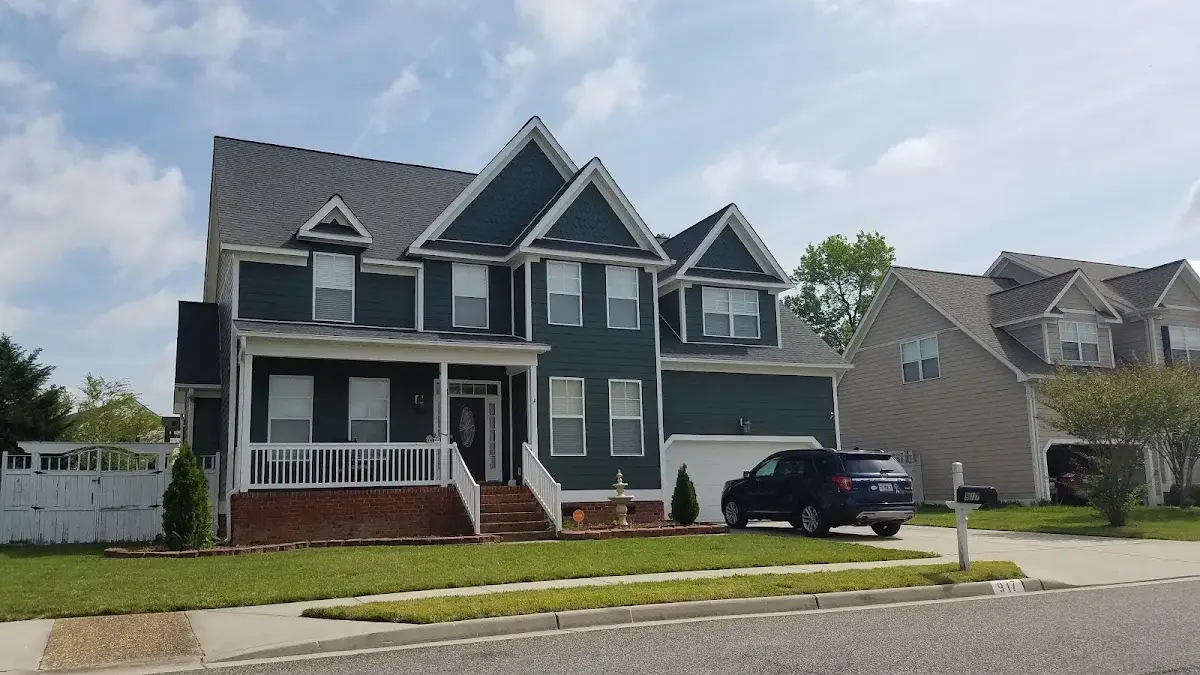
I start with what changed and what buyers recognize
A project’s cost and its contribution to market value are different questions. Your bill can include labor, materials, demolition, and personal design choices. Buyers compare the finished home with their alternatives.
I examine the interior and exterior, measure the house, and complete my own market analysis. Information from the owner helps explain the work, but it does not replace that investigation. If a project changes the layout or adds space, I need to understand the resulting property—not just the amount spent.
How I look for a kitchen or bathroom’s contribution
One method I use is paired-sales analysis: comparing otherwise similar homes with and without the feature being studied. For an updated kitchen, I look for evidence from a home with that improvement and a comparable home without it.
The important part is “otherwise similar.” A difference in sale price could also reflect location, size, overall condition, or timing. I have to account for those differences before attributing the gap to the kitchen. A convenient pair of prices is not enough.
I also look at the whole house. A remodeled kitchen does not make the bathrooms, roof, and every other component newly renovated. Buyers experience the property as a whole, and the appraisal needs to describe it that way.
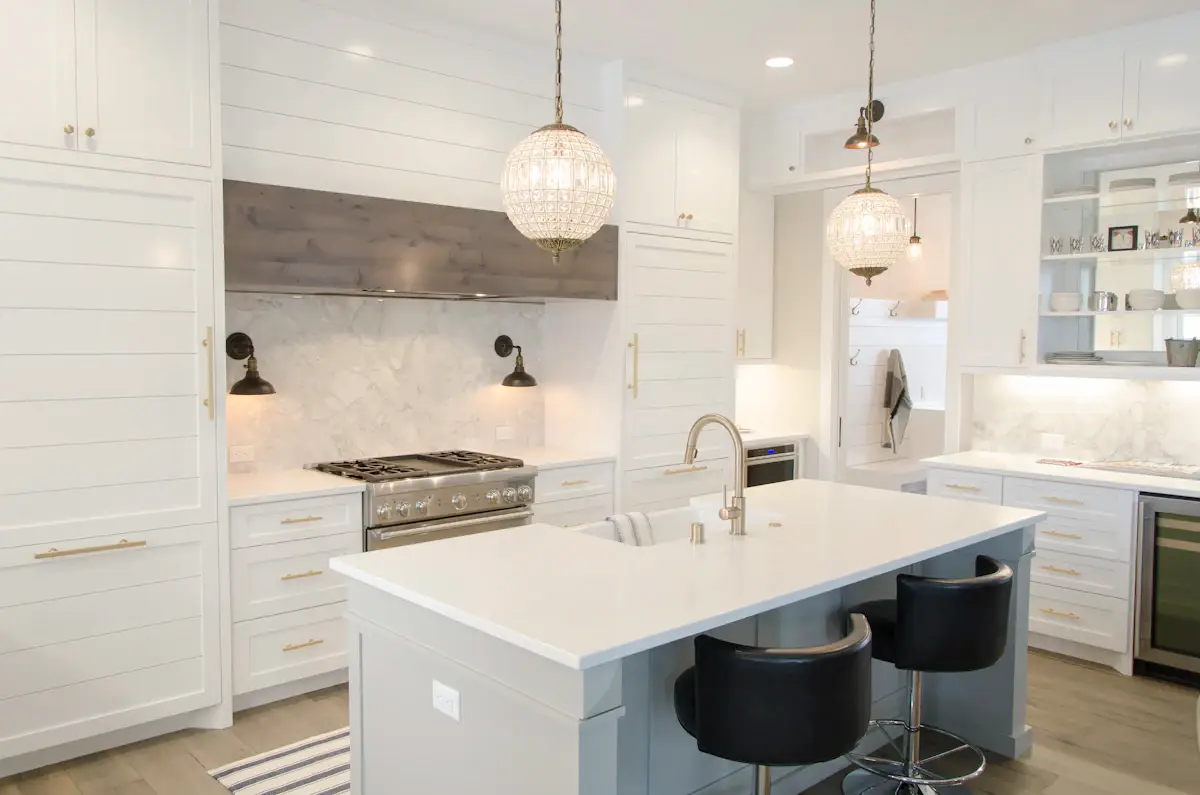
A premium finish may exceed the market’s expectations
In my appraisal work, I have seen owners install a highly customized bathroom in a modest ranch where competing homes generally have standard fiberglass tub or shower units. The upgrade may make the home more appealing, but that does not mean buyers will reimburse its full cost.
I look for what the competitive sales support. A homeowner can reasonably choose a premium bathroom for personal enjoyment without treating it as a guaranteed resale investment. The useful appraisal question is what that improvement contributes to this house in this market.
Gutter protection illustrates the same distinction
Homeowners also ask me about premium gutter-protection systems. Reduced maintenance may be a real benefit to the owner. An installation invoice or a salesperson’s claim, however, does not establish how much buyers will pay for it.
I would need evidence supporting a market contribution before adding a separate adjustment. That is not a claim that the system is worthless; it means its cost is not automatically its appraised contribution.
A new roof or HVAC system needs a condition comparison
Replacing something worn or broken can restore an expected feature of the home. That is different from assuming the entire replacement bill becomes additional market value.
I explain it with a broken window: replacing that one window restores what was already supposed to be there. Replacing all the windows with a different product is a broader change, but even then the cost does not guarantee a matching value increase.
The same reasoning applies to a roof or heating system. A functioning replacement can matter compared with a home that has a serious deficiency. Its effect still depends on the starting condition, the completed work, and the market evidence. I would not say every new roof adds zero value or that every new roof adds its full cost.
If I observe signs of a problem that require technical diagnosis, I describe what I can observe and recommend an appropriate qualified inspection. I am not acting as a roofer or HVAC technician. Repair or inspection conditions also depend on the assignment and applicable lender requirements; private current-condition valuation and mortgage eligibility are different questions.
Added space changes more than the square-footage total
An addition or conversion needs its own investigation. I measure the resulting space and consider the layout, access, finish, and utility. Converting a garage can add usable space while removing parking or storage, so a larger interior-area figure does not settle the net effect.
Bring plans and approval records where available. Virginia Beach identifies room additions and garage-to-living-space conversions among projects requiring residential building permits. A permit helps document the work; it does not establish its market contribution or decide how every area is reported in an appraisal.
If construction is still planned or unfinished, use my as-is versus as-completed appraisal guide. This article focuses on work that has already been done.
Solar panels need a separate review of ownership, financing, and comparable-sale evidence. My guide to whether solar panels increase home value explains the owned-versus-leased distinction and the records to provide.
How much is a garage worth in an appraisal?
There is no standard dollar amount that a garage adds to an appraisal. I look at what buyers in the property’s market pay for comparable homes with different parking and storage options. Capacity, attached or detached design, condition, access, and usefulness can all matter. Any adjustment needs support from the market, rather than a fixed percentage of construction cost.
A garage conversion also changes what the home offers. Finished space may add utility while the loss of covered parking or storage offsets part of that benefit. I evaluate the completed property and the comparable sales together before concluding how the change affects value.
Keep a short completed-improvement record
You do not need a presentation designed to persuade me to reach a number. Give me clear facts that I can inspect, verify, and relate to the market.
| Record | What it helps establish | What it does not establish by itself |
|---|---|---|
| Scope and completion date | What changed and when it was finished | That the whole house was renovated |
| Invoices and receipts | The described work, materials, and cost | A dollar-for-dollar appraisal increase |
| Plans and permits | Design and available approval information | Measured area or market value without further analysis |
| Before-and-after photographs | Changes that may no longer be visible | The condition of concealed components |
| Remaining issues or repair estimates | Known concerns and proposed work | An automatic value deduction |
For an upcoming appointment, see my appraisal preparation and repair guide. If the goal is mortgage-insurance cancellation, start with your servicer and use the separate PMI-after-improvements guide.
For a current value opinion after completed work in Virginia Beach or Hampton Roads, discuss the property and appraisal purpose with me. I can explain the scope needed to evaluate the house you have today.
Sources
The bathroom and gutter-protection observations and the paired-sales explanation come from my practice. The kitchen photograph is a labeled stock illustration, not evidence from those assignments.
- Fannie Mae: Adjustments to Comparable Sales—market-supported adjustments in applicable lender assignments.
- Fannie Mae: Property Condition and Quality of Construction—whole-property condition and qualified inspection or repair requirements for applicable loans.
- City of Virginia Beach: Residential Building Permits—listed permit requirements for additions and garage conversions.