
Before committing to a renovation, you may want to know what the home is worth now and what a clearly defined finished project might be worth. Those are two different appraisal questions. A report about the house in its present condition does not automatically include a value assuming your proposed work is complete. If the work follows a disaster, our appraisal guide for flood, fire, or wind damage explains the separate roles of valuation, insurance, and repair estimates.
The useful first conversation is about the decision you need to make, the work being considered, and the date and premise of each requested value. Whether an assignment is appropriate depends on the property, available plans, intended use, and scope—not simply on choosing a report label.
My existing guide to renovations and appraisal value explains why construction cost and market contribution differ. This article addresses the narrower ordering question: what exactly should an appraisal evaluate before the work begins?
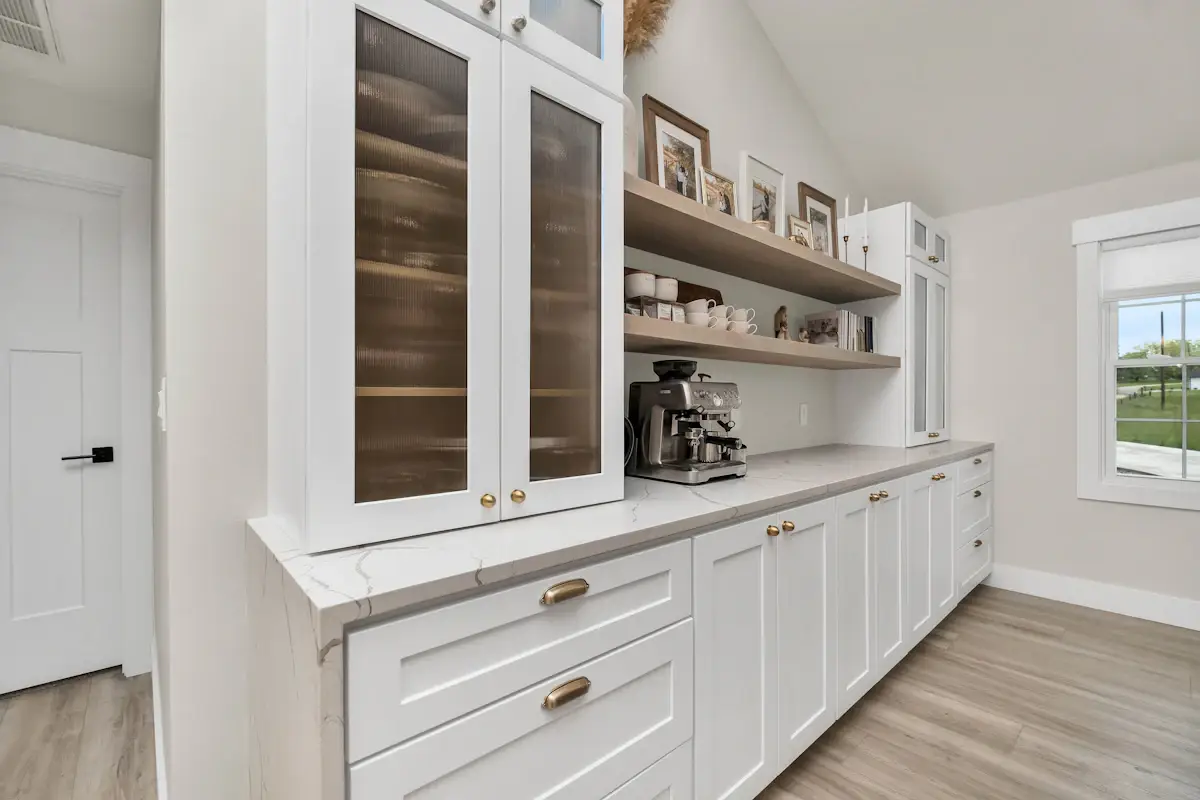
An as-is opinion addresses the property that exists
An as-is appraisal considers the property in its actual condition for the stated effective date. If a bathroom is incomplete or an addition has not been built, the report should not quietly treat it as finished.
For a current sale decision, an opinion of the existing home may be sufficient. If an investor has already made an offer, our cash-offer decision guide explains how current value differs from the seller’s expected proceeds. If you want to sell without completing proposed work, our pre-listing appraisal service can be discussed on that basis.
“As-is” should not be confused with the legal terms of an as-is purchase agreement. One describes a valuation premise; the other concerns a transaction whose wording should be reviewed by the appropriate professional.
An as-completed question needs a defined finished property
“What would it be worth if I fixed it up?” leaves too much unspecified. Replacing a few finishes is different from changing the floor plan, building an addition, or converting a garage.
The proposed finished property needs a sufficiently clear description. Plans, dimensions, materials, specifications, approvals, and the work remaining may be relevant. A dollar budget alone does not describe what the appraiser is being asked to value.
The effective date also needs discussion. A value under an assumed completed condition as of a current date is different from a prospective value opinion for a future date. The latter raises a future-market question as well as a completion question. Neither should be implied without being part of the agreed assignment.
Plans and assumptions belong in the scope
When the analysis assumes something known not to exist on the effective date, a hypothetical condition may be involved. That premise needs to be appropriate, clearly identified, and supported for the assignment. An uncertain fact raises a different question from knowingly assuming unfinished construction is complete.
My extraordinary-assumption guide explains the distinction. A label should not substitute for sufficient property information or credible analysis.
I would also want the proposed work to remain consistent throughout the assignment. If the initial plans show a modest remodel and the final proposal adds another room, the original description may no longer answer the revised question. Agree how material changes will be handled before expecting a report to cover every version of a project.
Compare scenarios without treating the difference as profit
Suppose you request an opinion of the existing property and a separate opinion under a defined completed premise. The difference between those conclusions is not automatically your renovation profit.
Construction expenses, financing, carrying costs, transaction expenses, delays, and your own use of the home are separate considerations. Contractors, lenders, and other advisors supply information within their roles. The appraisal should not be presented as a construction budget or an investment guarantee.
In Hampton Roads, the resulting property also needs to fit its competitive market. Expensive finishes do not guarantee an equal increase in value. A garage conversion may change both usable space and parking or storage. An addition’s design and function matter alongside its dimensions.
If you need to compare multiple renovation options, ask whether separate clearly described scenarios are feasible. Do not assume one loosely defined “after renovation” conclusion applies to several substantially different plans.
A lender may have its own completion requirements
For renovation financing, ask the lender what it requires before ordering a private planning appraisal. A report that helps you decide whether to proceed does not automatically meet a loan program’s requirements.
Fannie Mae’s completion and postponed-improvement guidance describes requirements for transactions subject to its rules. Those lender requirements should not be generalized to every private assignment.
The later verification of completed work is also a separate matter from the initial value analysis. Do not assume a private report includes future inspections or completion documentation unless those services are specifically agreed.
What to bring to the first discussion
Provide the address, current condition, intended decision, and whether financing is involved. Include the plans or specifications you have and identify work that has already started.
Say whether you need present-condition value, a defined completed-condition scenario, a future-date opinion, or more than one of those questions answered. If you are unsure, explaining the actual decision is better than choosing terminology you hope will cover everything.
For a Virginia Beach home, check the city’s residential building permit information and verify project-specific approvals; an appraisal is not a permit or a confirmation of legal use. The property document guide can help organize available records.
Contact Capital Valuations to discuss whether the proposed residential assignment fits the property, information, and scope. I would rather define the right question before work begins than have a homeowner purchase a report that addresses a different condition from the one they wanted evaluated.