
Published October 22, 2026 · Updated October 22, 2026
A flood-zone designation can matter to home value even when the house has never flooded, but it does not establish an automatic deduction. The question is whether comparable sales support a market effect. Here is how I approach that question in my appraisal work.
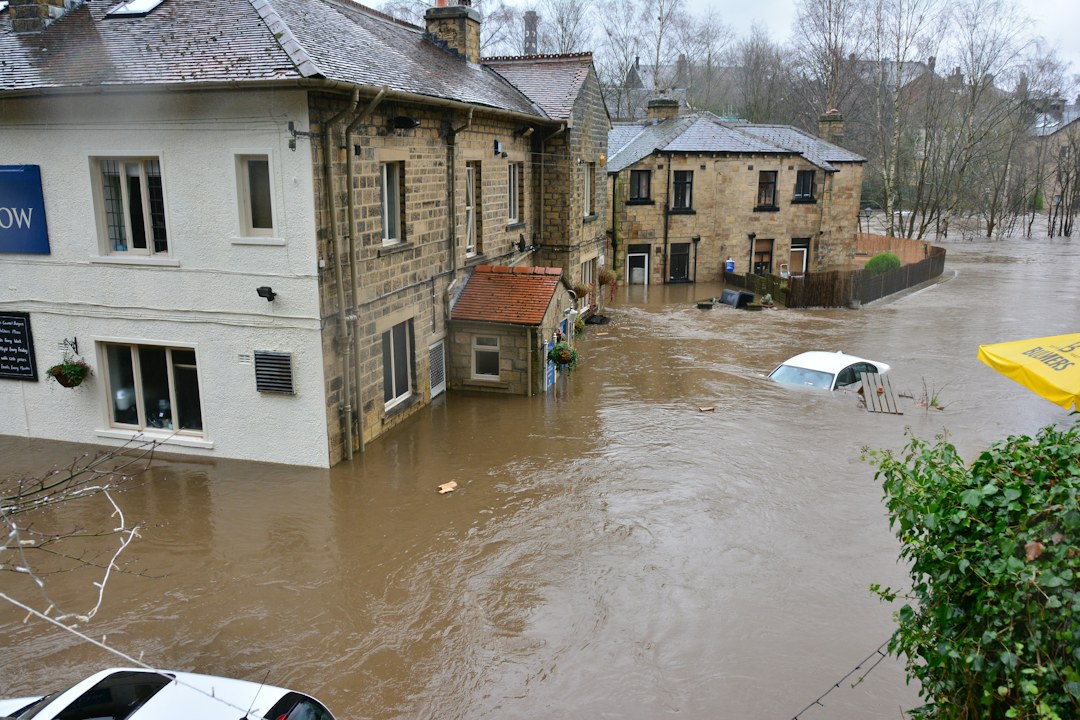
How I choose comparable sales for a home in a flood zone
I usually try to find comparable sales that are similar to the house and in the same flood zone. I pull up the flood map next to my comparable-sales map so I can see where the subject and the potential comps fall. Looking at the neighborhood alone does not tell me that.
When possible, I try to include one or two otherwise similar sales in the same flood zone as the subject. That gives me relevant sales to examine for market support.
Sometimes that is easier said than done. A flood zone may cover only a few houses along the edge of a neighborhood. The rest of the neighborhood may be outside that particular zone. If only a small number of houses fall within it, there may not be many recent sales to choose from.
That is why I compare the two maps. A sale can be close to the subject and still fall in a different mapped zone. I look for similar houses within the same zone when they are available; I cannot assume that the whole neighborhood shares the subject’s designation.
Same neighborhood does not always mean the same flood zone.
The flood map is one part of the comparison. Size, condition, construction quality, and other property differences still matter. A price difference between two houses cannot automatically be attributed to flooding. For Fannie Mae assignments, adjustments must reflect the market’s reaction to property differences. My guide to choosing comparable sales explains the broader selection process.
Have I seen flood risk clearly affect prices?
In my own work, I have not personally seen a clear effect from flood risk or flood-insurance costs on prices or buyer interest. That is my observation, not a finding that every home or neighborhood responds the same way.
My impression is that some buyers focus on finding a house they like and do not give the flood-zone issue much thought until later. They may already be living there before they really pay attention to it. That is a reason to check the information early, rather than assume it does not matter.
A buyer should get property-specific insurance information before committing to a purchase. An annual premium is an ownership expense; it is not, by itself, evidence of a particular dollar reduction in market value. The sales evidence still needs to support the appraisal conclusion.
“It has never flooded”—what does the map actually tell you?
A home’s known flood history and its mapped flood risk answer different questions. An owner can accurately describe what happened during their ownership without establishing what will happen in the future. The actual location and map designation deserve a closer look.
The terms “100-year flood” and “500-year flood” describe probabilities, not a timetable:
Those events can occur close together. A “100-year flood” does not mean a house floods once and is then safe for the next 99 years. These estimates also do not guarantee when, or whether, a particular house will take on water.
Start with the property’s official information in the FEMA Flood Map Service Center. An available elevation certificate provides additional building information and may help identify insurance discounts. It does not replace the market analysis needed for an appraisal.
What should a homeowner do with this information?
Check the property itself rather than relying on a general description of the neighborhood. Gather available flood-map information, elevation records, insurance quotes, and any known flood or repair history. Ask your insurance agent about coverage and cost; bring the relevant property records to the appraisal discussion.
This article concerns flood exposure when the home is undamaged. If the house has actual flood, fire, or storm damage, my post-disaster appraisal guide explains the additional condition and valuation-date questions. If the issue is waterfront access or a view, see my waterfront and dock-rights guide.
For a private appraisal, contact me with the property address and the decision you need the appraisal to help with. Tell me about the flood-zone concern so we can discuss it from the start.
About the author
Joseph T. Ellington Jr. is a Virginia Licensed Residential Appraiser and owner of Capital Valuations. He has 20+ years of appraisal experience and serves Virginia Beach and Hampton Roads.
Editorial note: This article draws on Joe’s explanations of his appraisal practice. AI assisted with research, organization, and drafting; it did not inspect a property or develop an appraisal opinion.
Sources
Official references supporting the mapping, probability, and valuation explanations. The descriptions of my own practice come from my firsthand experience.
- Fannie Mae: Adjustments to Comparable Sales — market-supported adjustments for applicable lender assignments.
- U.S. Geological Survey: Floods and Recurrence Intervals — annual probabilities and why flood events do not follow a schedule.
- FEMA Flood Map Service Center — official flood maps and related records.
- National Flood Insurance Program: Elevation Certificates — building information and possible insurance discounts.