
By Joseph T. Ellington Jr. – Licensed Residential Appraiser, Capital Valuations.
What is a hybrid appraisal in 2026?
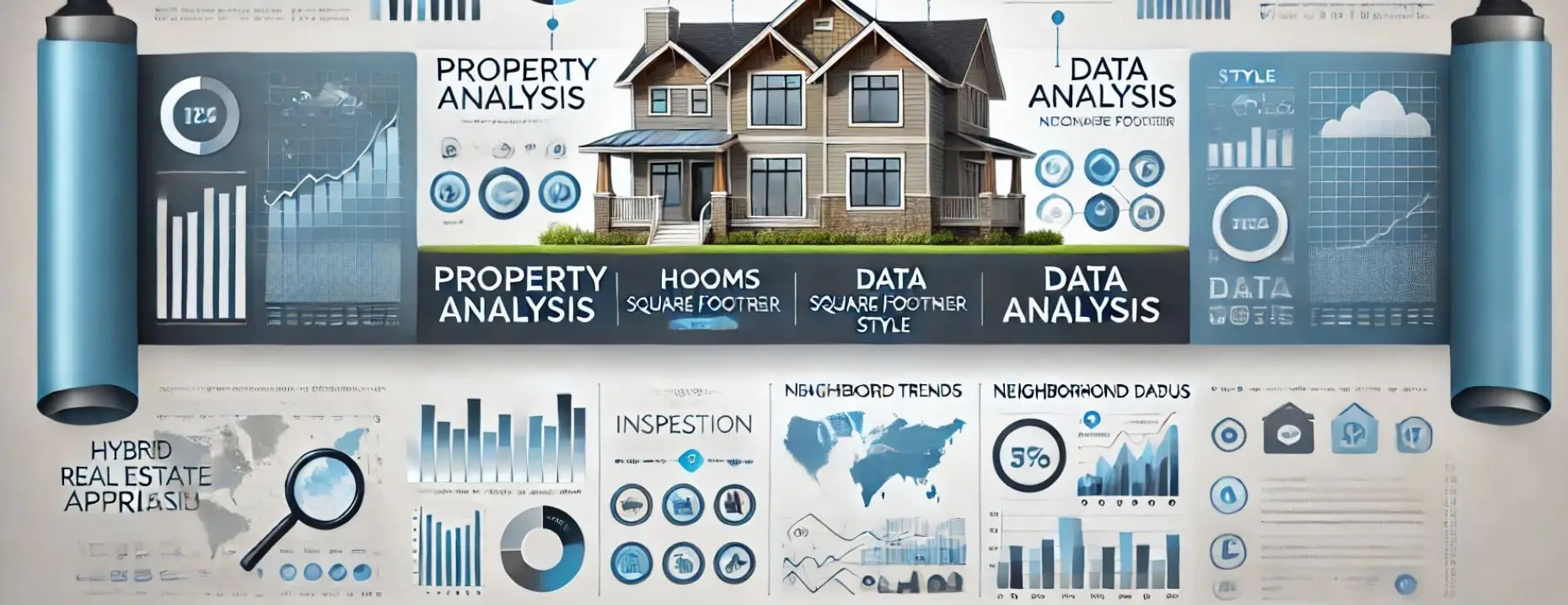
A hybrid appraisal combines a property data collection with an appraiser’s valuation analysis. Under Fannie Mae’s current hybrid appraisal guidance, a trained and vetted person gathers interior and exterior property data; an appraiser uses that collection and other sources to develop and report the appraisal. The collector and appraiser may be different people. A hybrid remains an appraisal, and the lender chooses among valuation options offered for an eligible loan casefile.
What happens during the two assignments?
- A trained collector documents the property’s interior, exterior, condition and other required features under the applicable dataset.
- The lender supplies that collection to the appraiser at engagement if someone else collected it.
- The appraiser reviews the collection, researches property and market evidence, develops an opinion and completes the eligible report.
- The lender reviews the report and remains responsible for the accuracy and completeness of property information under the applicable guide.


Hybrid versus traditional and desktop
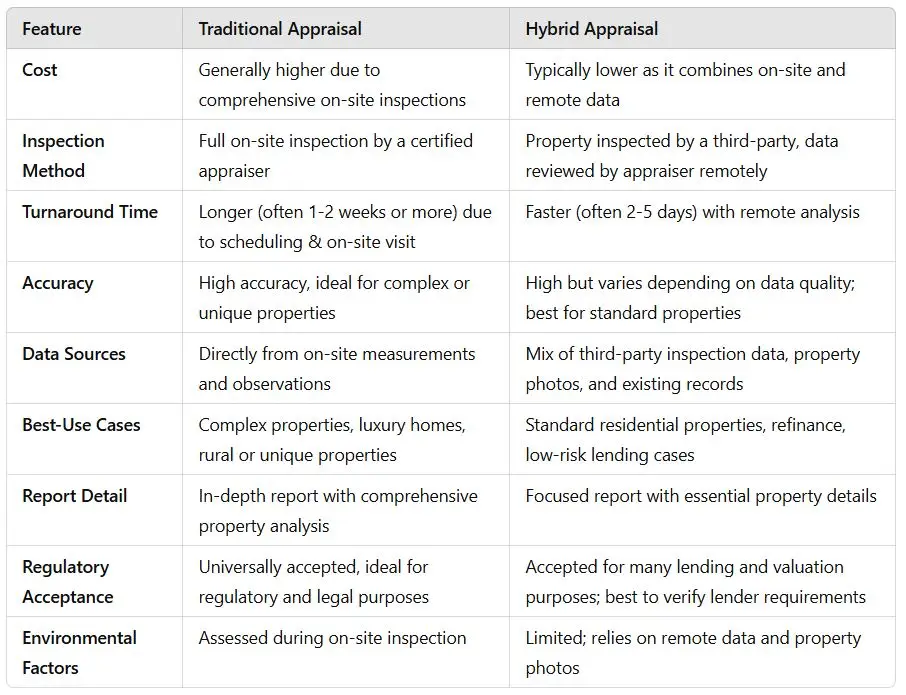
| Path | Physical data collection | Appraiser’s role |
|---|---|---|
| Traditional appraisal | Appraiser visits as required by scope | Observes property and develops value |
| Hybrid appraisal | Trained collector supplies interior/exterior data, possibly an appraiser in a separate assignment | Reviews collection and develops value |
| Desktop appraisal | No interior site visit by the appraiser for that assignment; relies on permitted data sources | Develops value under desktop scope and rules |
Eligibility and report requirements differ. See our desktop appraisal guide. A borrower cannot assume a hybrid option is available or demand it instead of a lender-selected appraisal.
Where caution matters
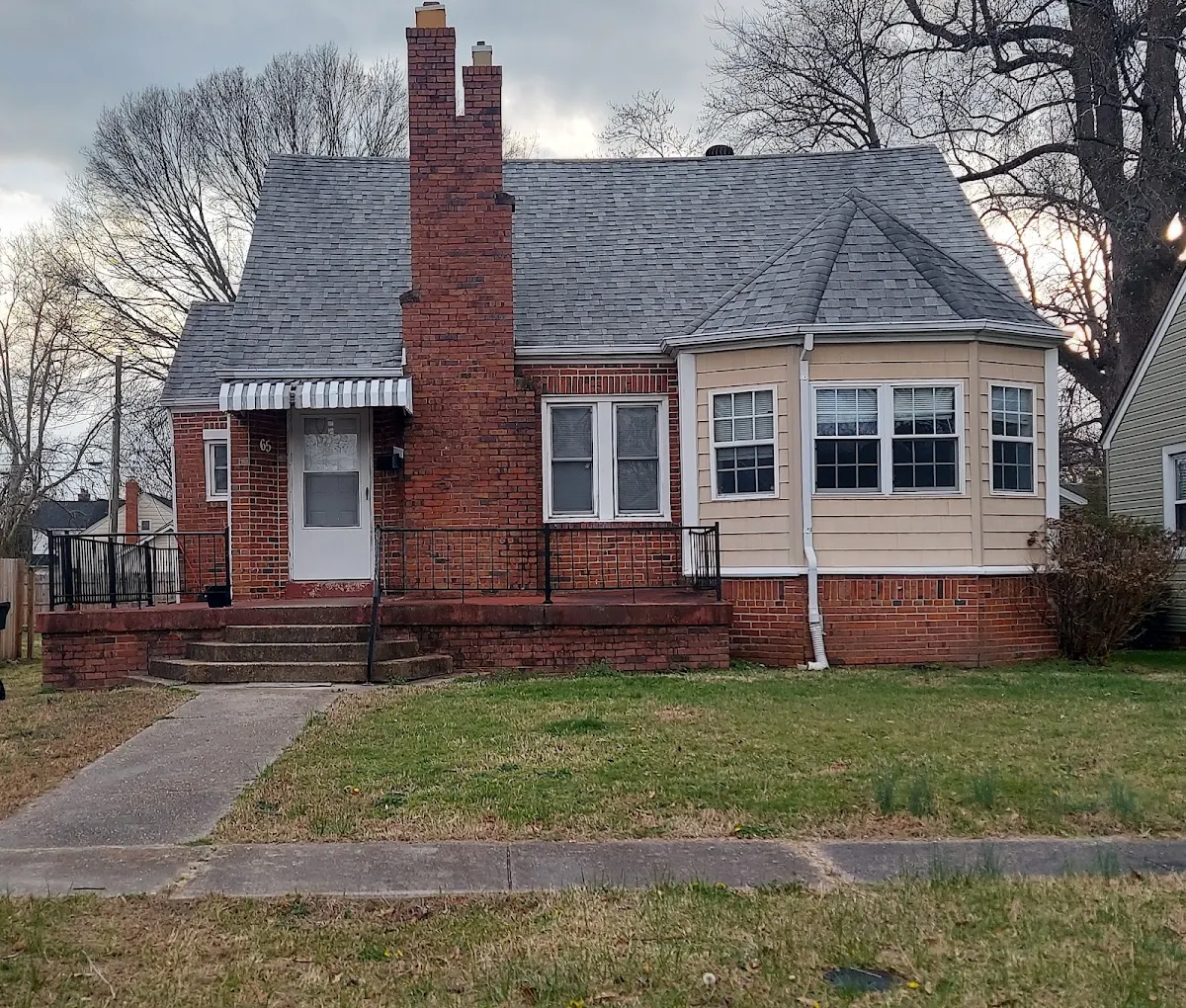
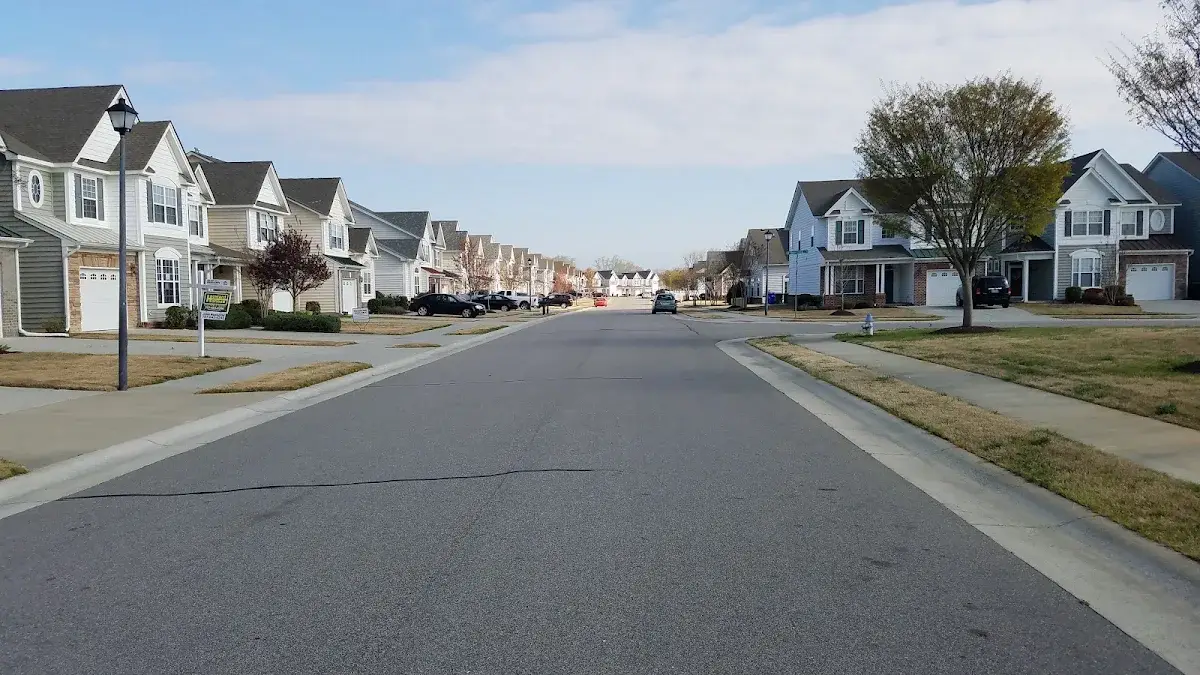
Older or altered houses may have hidden or unusual conditions that a data collection does not explain well. In a neighborhood with few comparable sales, the market analysis remains challenging regardless of who collected the property data. The appraiser should identify material gaps, seek additional information or handle the scope appropriately; the mere label “hybrid” does not mean a faster or more accurate result. For context on changing methods, read how appraisal standards, data, and professional judgment evolved.
What a homeowner can do
Provide access and accurate records for additions, repairs, living area and permits. Correct a factual error through the lender’s process, with supporting records; see our ROV guide. Fannie Mae’s hybrid policy also requires a floor plan conforming to the relevant ANSI standard; read our measurement guide. For a private appraisal, discuss the intended use and appropriate scope directly with the appraiser.

Contact Capital Valuations about a private Hampton Roads assignment. For a mortgage order, ask your lender which valuation path applies.
