
Last updated
You have a cash offer for your house, perhaps with a quick closing and no requested repairs. The question is no longer whether to put the home on the market. You need to decide whether this particular offer makes sense.
An independent appraisal can help if your uncertainty concerns what the property is worth in its present condition. It will not tell you what convenience is worth to you, guarantee a better offer, or decide whether the contract is acceptable.
I would begin by separating three things: the property’s market value, the amount you expect to receive at closing, and the timing or certainty you want from the transaction. An investor’s offered price should not be mistaken for an independent valuation simply because the buyer has reviewed nearby sales.
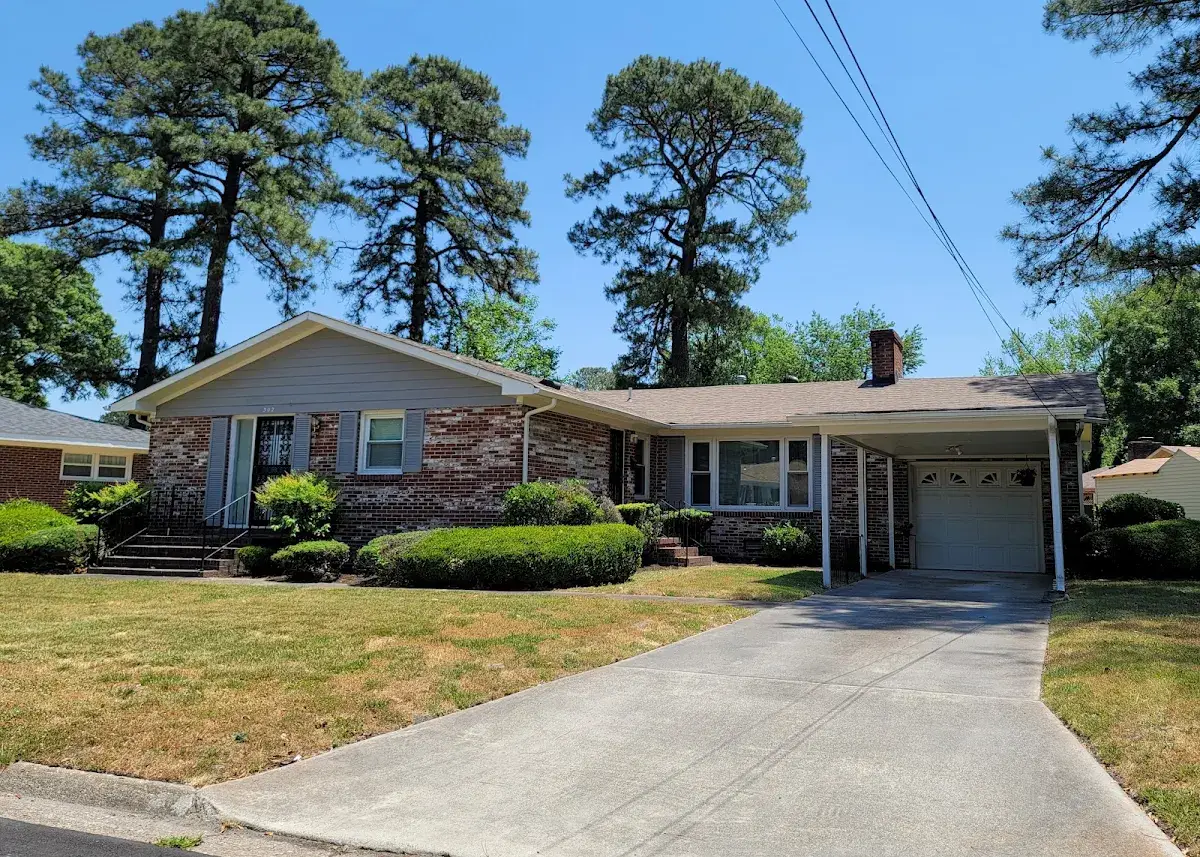
When an appraisal can help with a cash offer
| Your unresolved question | Useful next step |
|---|---|
| Does the offer reflect the home’s present market value? | A private appraisal may provide an independent reference. |
| Are unusual features or condition making comparisons difficult? | Discuss a property-specific appraisal scope and the available evidence. |
| Is the contract acceptable, or what will I receive at closing? | Ask your attorney or settlement professional; another value report may not resolve this. |
| Do I already have a suitable recent appraisal? | Discuss its date and intended use before paying for another assignment. |
Request a private seller-appraisal quote and give Joe the offer deadline before scheduling so he can confirm whether delivery is feasible.
Ask which number you are comparing
A seller might compare a cash offer with an online estimate, a neighbor’s sale, or a suggested listing price. Each can leave out facts that matter to the decision.
An online estimate may not know the interior condition. A nearby sale may have been renovated or have a different site. A suggested asking price is a marketing decision, not a guarantee of proceeds.
A pre-listing appraisal can address the market value of the home as it exists, even when you are considering an off-market offer rather than preparing an MLS listing. Explain that purpose when requesting the assignment.
The scope should not quietly shift to the home’s hoped-for value after a buyer renovates it. The property you are selling today and a proposed completed project are different valuation questions.
Compare proceeds without changing the appraisal conclusion
Market value and net proceeds should stay on separate worksheets. The appraisal addresses property value. A transaction comparison considers the amounts, costs, timing, and obligations associated with each realistic option.
Useful questions include whether the buyer’s figure is the amount in the contract, what costs the seller is expected to pay, and whether later inspections or other contract provisions could change the amount received. Have your agent, settlement professional, or attorney explain the actual terms.
If you compare the cash offer with a possible listed sale, avoid treating the higher hypothetical sale price as guaranteed. Consider realistic preparation expenses, sale costs, holding costs, and time, using information from the professionals responsible for those estimates.
An appraisal does not determine which route you must choose. You may reasonably place value on a particular closing schedule or on avoiding construction work. That preference does not need to be disguised as a reduction in the property’s market value.
Do not accept an automatic repair discount
An offer may explain its price by subtracting repair costs from a projected finished value. That is a buyer’s pricing approach to examine, not an appraisal formula that automatically establishes today’s market value.
The relevant market may include buyers willing to repair the property, buyers unable to finance it in its condition, or buyers comparing it with other homes needing similar work. Repair expense, time, uncertainty, and buyer demand need analysis. There is no universal discount percentage for an investor purchase.
If the home has substantial defects, get appropriate condition or cost information from a qualified inspector or contractor. My as-is sale guide discusses the broader choice between selling with existing condition and addressing repairs first.
For an appraisal in Virginia Beach, a coastal feature, condominium project, or unusual renovation can make a simple neighborhood-price comparison especially incomplete.
Decide whether the report can help before your deadline
If you must respond to an offer soon, explain that at the first contact. Ask whether there is time to define the scope, arrange access, complete research, and receive the report before your decision is due. Do not assume a particular delivery time.
An appraisal may be useful when you do not have a reliable current value reference, the property is difficult to compare, or the offer relies on condition assumptions you want examined. It may add less to the decision if you already have an appropriate recent report and the unresolved questions concern contract terms rather than property value.
The general cash-sale appraisal guide explains why buyers and sellers can commission private reports. This article addresses the narrower seller decision after an investor has made an offer.
Share the offer and the property facts
For a quote, provide the address, the offer deadline, the property type, current occupancy, and access arrangements. Share the offer or proposed agreement and identify known repairs, additions, or damage.
I would analyze the information independently rather than promise to justify the seller’s preferred counteroffer. An appraisal is also separate from an inspection of the home’s physical condition.
If your main question is whether the offer reflects your home’s present market value, ask Capital Valuations about a private appraisal. If the concern is the purchase agreement or your responsibilities at closing, get that advice from the professional handling the transaction.