
You have the report. Now what?
Check the evidence before changing your plan.
A pre-listing appraisal below your hoped-for asking price does not require you to list at the appraised value. First check the report’s date, property description and condition assumptions. Then separate a documented concern from a price expectation the evidence may not support.
Send specific questions to the appraiser. Use the explanation and current competition to decide your next move with your agent.
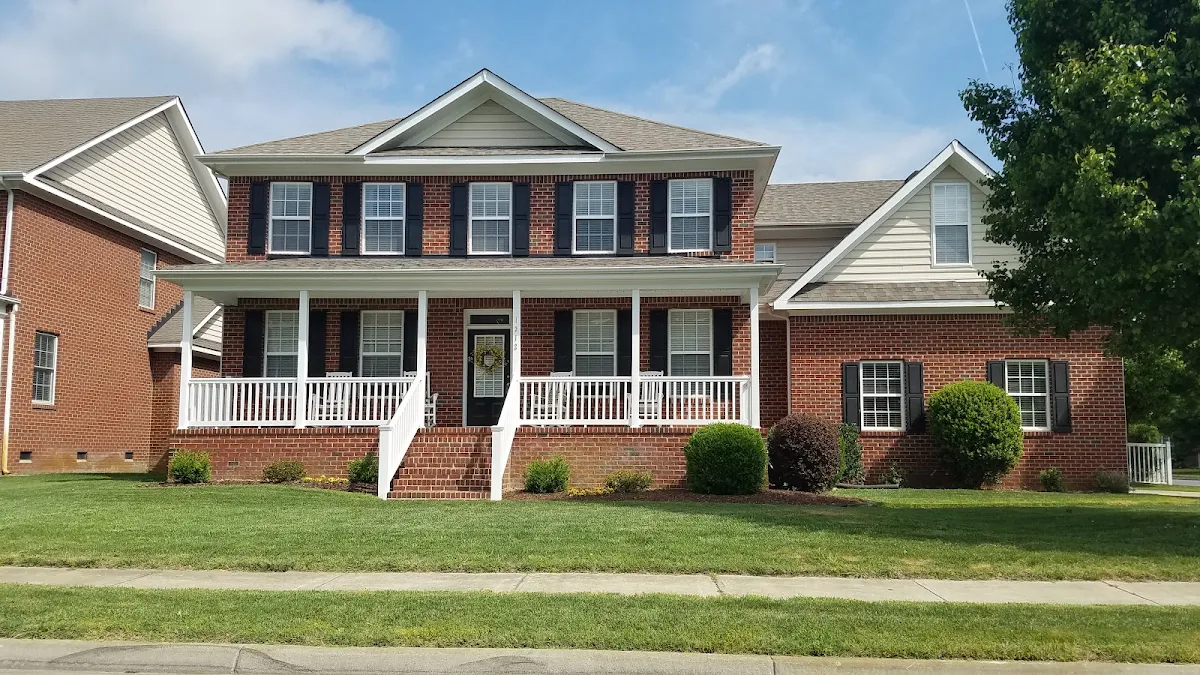
This guide is for a private appraisal you already received before listing. A difference between that opinion and your planned asking price is not, by itself, a mortgage financing gap. A buyer’s lender makes its own appraisal and lending decisions. See pre-listing versus lender appraisals if you are comparing the two.
Check what the report actually values
Have the complete report open, including its sketch, photographs and addenda. Make a short note of the page number beside each question. A number that looks wrong in one section may be explained elsewhere.
- Property and ownership: Confirm the address, unit, parcel and property interest. Does the report cover the same real estate you plan to sell, including any separately owned adjoining lot?
- Effective date: Find the date the value describes. It may differ from the inspection or delivery date. Work completed afterward does not prove the earlier description was wrong.
- Condition being valued: Check whether the opinion is as-is or assumes specified work is complete. Your hoped-for price may describe a finished project while the appraisal describes the house today.
- Physical facts: Compare the sketch and description with the actual layout, bathrooms, garage, significant improvements and overall condition. A room reported separately from living area is not necessarily overlooked.
- Sales and reasoning: Read why the comparables were selected, how differences were handled and which evidence received the most weight. Do not judge the conclusion by the highest unadjusted sale alone.
If you expected a value after renovations, raise that scope question first. An as-is and an as-completed appraisal answer different questions. A completed-condition assumption also does not automatically mean the report predicts a future market.
Ask what a square-footage difference means. A listing, tax record and appraisal can include different spaces. Point to the room or dimension in question and ask how it was measured and classified. A larger figure from another source is a reason to investigate, not proof that it is the correct one.
Which kind of concern do you have?
“I expected more” is the starting point. The next step depends on what you can identify in the report.
A factual discrepancy
The report describes one garage bay, but plans and dated photos show two at the effective date.
Send the exact statement and evidence. Ask whether a correction affects the analysis.
Relevant evidence to examine
You have a potentially competitive closed sale or records of completed work that may not have been considered.
Explain why it matters. The appraiser needs to verify and weigh it.
A different price expectation
Your figure came from renovation spending, an online estimate or a neighbor’s asking price.
Compare the basis for that expectation with the report, then discuss pricing strategy.
These concerns can overlap. Ask for an explanation where you are unsure. A correction can improve the report without changing its value conclusion; an omitted, material fact can warrant additional analysis.
If the remaining concern is the credibility of the analysis, clarify what an appraisal review or second private appraisal would examine before paying for another assignment. A new report is not a purchase of a preferred number.
Send a focused question with useful evidence
For your privately commissioned report, contact the original appraiser through the agreed communication process. Organize one short list by issue, rather than sending a folder of unexplained attachments.
- For a property fact: Quote the report page and statement. Attach the relevant plan, survey, permit or completion record, or dated photograph. Say which fact the document establishes and what remains uncertain.
- For completed improvements: State what changed and when. An invoice, scope of work and completion photos can clarify the condition at the effective date. Separate completed work from proposed work.
- For a possible comparable sale: Provide the address, source, closing date, reported price and a short explanation of similarity in property type, location, size and condition. Include known concessions or unusual terms, and identify anything you have not verified.
A higher price does not make a sale a better comparable. Explain why a buyer would consider that property an alternative to yours. My guide to finding and verifying comparable sales explains what listing and public-record sources can establish. A sale closing after the effective date is not automatically evidence that the original appraiser missed a sale available at that time.
If the report was ordered for a mortgage, follow the lender’s reconsideration of value process instead. The private-appraisal message above is not a substitute for lender instructions.
Choose a next step that answers the real problem
Once you understand the report and any response to your questions, separate the value opinion from your selling decision. Appraised value addresses the property and date stated in the report. Asking price is your marketing choice. Neither is a guaranteed sale price.
| Your option | What to resolve before acting |
|---|---|
| Reconsider the asking price | Compare the supported value with current competition and your agent’s pricing advice. Calculate likely proceeds separately from market value. |
| Investigate a report issue | Identify the exact concern and supporting record. Ask for the explanation or correction before basing your plan on a disputed fact. |
| Keep a higher asking price | Decide with your agent what buyer response would cause you to revisit it and when. Allow for additional carrying time; a higher advertised price does not establish higher value. |
| Evaluate improvements | Compare the scope, cost, completion time and supported market contribution. Do not assume the renovation budget can simply be added to the appraisal. |
| Reconsider timing | Decide whether selling still fits your needs and carrying costs. Waiting does not guarantee appreciation. If the property or market changes, ask what new analysis is needed. |
Why spending and value differ: Buyers compare the finished home with their other choices. Your project cost can include demolition, labor and personal preferences they may not pay extra for. One updated room also does not make the whole property renovated. Read more about renovation cost and appraisal value before committing money to close the difference.
If you postpone the listing, the earlier report still speaks to its original date; it cannot simply be relabeled current. If the house has already been marketed without a sale, use the separate guide to an appraisal for a house listed but not selling, which includes listing history and buyer feedback.
A hypothetical seller decision
The kitchen was updated. The whole house was not.
These figures are made up to illustrate the decision, not a local price benchmark or a Capital Valuations assignment.
- Seller’s hoped-for asking price
- $525,000
- Private as-is appraisal
- $495,000
- Completed kitchen renovation
- $45,000
- Check the report. The kitchen was finished before the effective date. The seller confirms that the report describes it, so the work was not simply omitted.
- Examine the expectation. The seller had added the renovation bill to an older estimate. The higher sales they relied on also had updated bathrooms and other improvements this home does not have.
- Ask a specific question. The seller sends the renovation details and asks how the kitchen and the property’s overall condition were considered. In this example, the appraiser explains the analysis and the value remains unchanged.
- Make the selling decision. The seller and agent revisit the starting price and expected proceeds using the home’s actual condition. They do not spend another $30,000 simply because that is the difference between the two figures.
Bring this to the conversation
Your next-step worksheet
Fill this in before calling your appraiser or agent. Leave an item blank if you do not know it.
This worksheet is not submitted to Capital Valuations. Copy or print your notes before leaving or reloading the page.
Capital Valuations · Virginia Beach
Have a question about your report?
If I prepared your private appraisal, send me the report date, page number and specific concern. If another appraiser prepared it, start with that appraiser; a formal review is a separate assignment.
For a new seller valuation, see our pre-listing home appraisal service.
Discuss your appraisal questionJoseph “Joey” Ellington
Virginia Licensed Residential Appraiser
20+ years of appraisal experience