
A drive-by appraisal can provide a supported value opinion without an interior visit, but only when enough reliable information is available and the assignment permits that scope. It gives the appraiser less direct knowledge of the interior. Here is how I would investigate that gap—and where the rules set limits.
By Joseph T. Ellington Jr., Virginia Licensed Residential Appraiser · Capital Valuations
What is a drive-by appraisal?
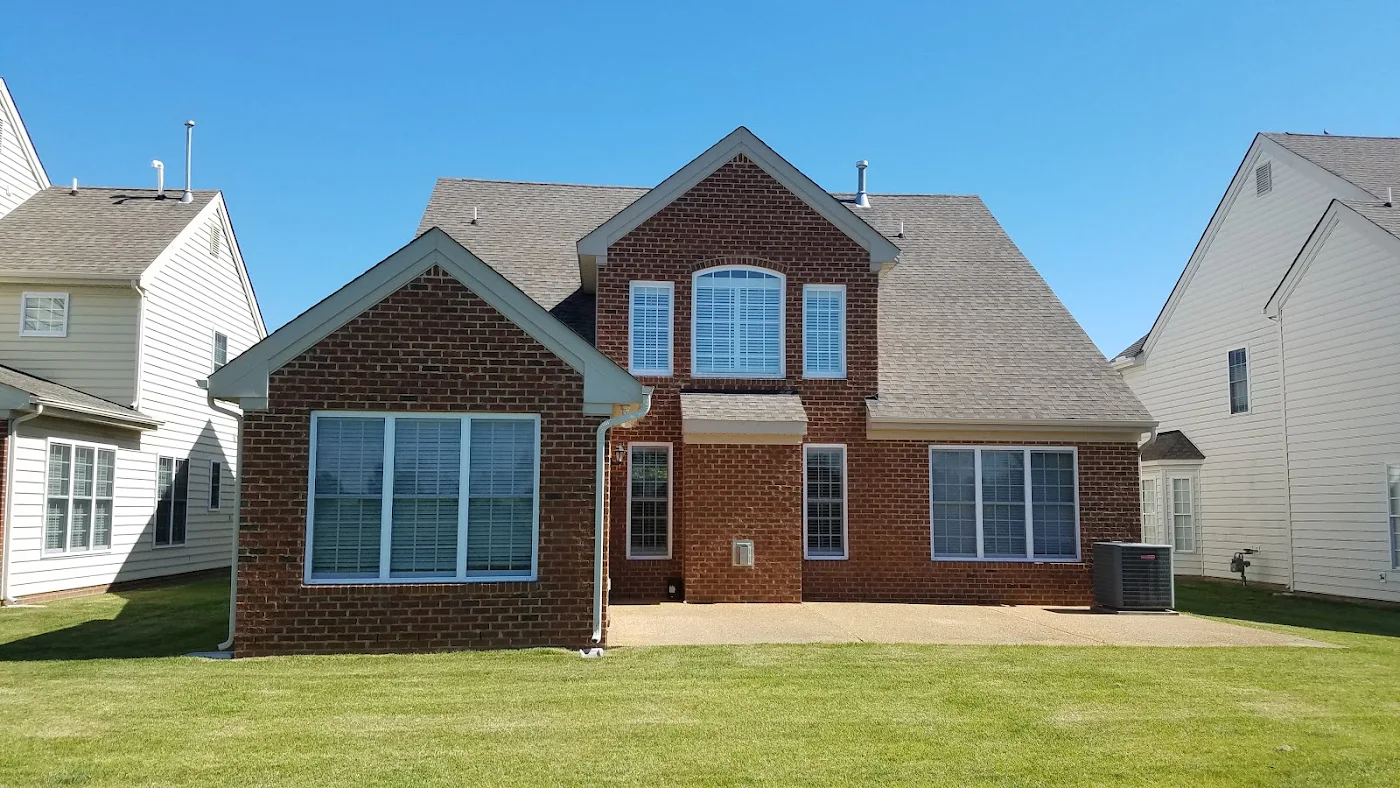
A drive-by, or exterior-only, appraisal includes an appraiser’s exterior observation of the property, typically from the street, with research and analysis supporting the value opinion. The name describes a limited inspection scope; it does not mean the appraisal consists only of driving past the house.
For me, the biggest limitation of a drive-by appraisal is straightforward: I cannot see the interior condition myself. An interior visit gives me a more complete view of the house. That does not make an exterior-only assignment impossible, but it makes the information about the inside especially important.
How I would investigate the interior without going inside
My starting point would be to gather as much information as I can about the interior. I would check the Multiple Listing Service, or MLS, to see when the house last sold and whether that listing includes interior photographs. If it sold recently, those photos may provide useful information about what was inside.
I would also ask the homeowner about the interior. I want information about the house itself, rather than trying to decide its condition just from its appearance outside. The homeowner may help explain what the interior is like and what has changed since the pictures were taken.
Other interior pictures available online can also help. I would look at the available photos alongside the MLS information and what the homeowner tells me. My point is to gather the information together so I have a basis for understanding the interior, even though I have not personally gone inside.
The timing matters to my approach. Pictures from a recent sale are different from pictures taken a long time ago. I would want to understand whether the available images still describe the house being appraised. Finding an interior photo is useful; deciding how much it tells me about the relevant condition is the next question.
This is why a homeowner’s description or an old listing should not be treated as automatically conclusive. For assignments using Form 2055, the form specifically calls for adequate property information from reliable sources, and its certifications include independent verification of information supplied by parties with a financial interest in the transaction.
Does USPAP require an interior inspection?
USPAP—the Uniform Standards of Professional Appraisal Practice—does not require an inspection in every assignment. An inspection is required when it is necessary for credible results. The appraiser must identify the relevant property characteristics, perform sufficient research and analysis, and explain the work completed. Client instructions and applicable lending requirements can impose additional conditions.
The current 2024 USPAP edition addresses these responsibilities in its Scope of Work Rule and Standards 1 and 2. A restricted inspection cannot be used to justify an unsupported value conclusion. If missing information prevents a credible analysis, the appraiser must obtain more information or change the scope; if that cannot be resolved, the assignment cannot be completed on that basis.
Extraordinary assumption or hypothetical condition?
For uncertain interior condition, an extraordinary assumption may be appropriate. It treats information that is uncertain as of the effective date as true for the analysis when being wrong could affect the results. A hypothetical condition instead analyzes something contrary to a fact known to exist on the effective date. These are different tools.
“Average for the neighborhood” is not a substitute for evidence about this house. An extraordinary assumption must be needed to develop credible opinions, have a reasonable factual basis, and still produce a credible analysis. Missing information alone does not supply that basis.
The report must prominently identify the assumption and explain that using it might have affected the results. Saying only “I did not inspect the interior” describes the inspection scope; it does not identify the interior condition assumed.
| Uncertain fact | Known fact changed for analysis |
|---|---|
| Recent interior photos and other reliable information support a described condition, but current interior condition remains uncertain. An extraordinary assumption may be appropriate if the assignment permits it. | The kitchen is known to be unfinished, but an assignment asks for its value as though the work were already complete on the current effective date. That involves a hypothetical condition. |
Neither approach removes the need for credible analysis or compliance with the assignment’s requirements. My guide to extraordinary assumptions explains the broader concept.
Does Fannie Mae accept drive-by appraisals?
Under the Fannie Mae Selling Guide policy verified for this article, an exterior-only appraisal is not an accepted valuation option. Fannie Mae’s December 2025 Appraiser Update explicitly explains that an “Exterior Appraisal” can be described in the UAD 3.6 reporting system without satisfying its lending requirements.
Form 2055 still exists, but the existence of a form does not establish eligibility for a particular loan. Its stated scope includes observing the subject exterior, neighborhood and comparable sales, obtaining adequate information about the home, and completing the required research and analysis. It is not permission to substitute a drive-by for a required interior inspection.
A desktop appraisal or hybrid appraisal is a separate valuation option with its own requirements. For a loan, have the lender identify the permitted option before ordering. Other assignments must be evaluated under their own applicable rules.
What should a homeowner have ready?
Provide recent, representative interior photos if requested, identify when they were taken, and explain renovations, unfinished work, damage or other changes since an earlier listing. Be specific about the condition of the kitchen, bathrooms and other rooms. The appraiser decides what information is sufficient for the assignment.
For a private residential appraisal in Virginia Beach or the surrounding Hampton Roads communities, contact Capital Valuations with the address, purpose and access situation. We can discuss the inspection and research the assignment needs before choosing a report type.
About the author: Joseph T. Ellington Jr. is a Virginia Licensed Residential Appraiser and owner of Capital Valuations, with 20+ years of appraisal experience serving Virginia Beach and Hampton Roads. Read Joe’s professional background.
Sources
- The Appraisal Foundation: current USPAP edition—2024 edition; Scope of Work Rule; Standards Rules 1-2(e)–(g), 2-2 and 2-3.
- Appraisal Standards Board Q&A 2020-01—inspection requirements and a reasonable basis for interior-condition assumptions. Historical guidance, checked against the current USPAP edition; not a current lending-policy waiver.
- Appraisal Institute Guide Notes—extraordinary assumptions, hypothetical conditions and disclosure.
- Fannie Mae, December 2025 Appraiser Update: Scope of Work in UAD 3.6—exterior appraisal reporting versus loan eligibility.
- Exterior-Only Inspection Residential Appraisal Report, Form 2055—scope, data sources and certifications. The form’s availability does not establish current Fannie Mae loan eligibility.