
Solar panels can increase home value, but ownership, financing, and local market evidence determine their contribution. The installation bill is not an automatic appraisal adjustment. I’ll explain owned versus leased panels, the records to provide, and how I investigate solar comparable sales in Virginia Beach.
I have appraised homes with both owned and leased solar panels. That distinction matters, but the word “owned” does not answer every question. The agreement behind the panels and the evidence from the market both need attention.
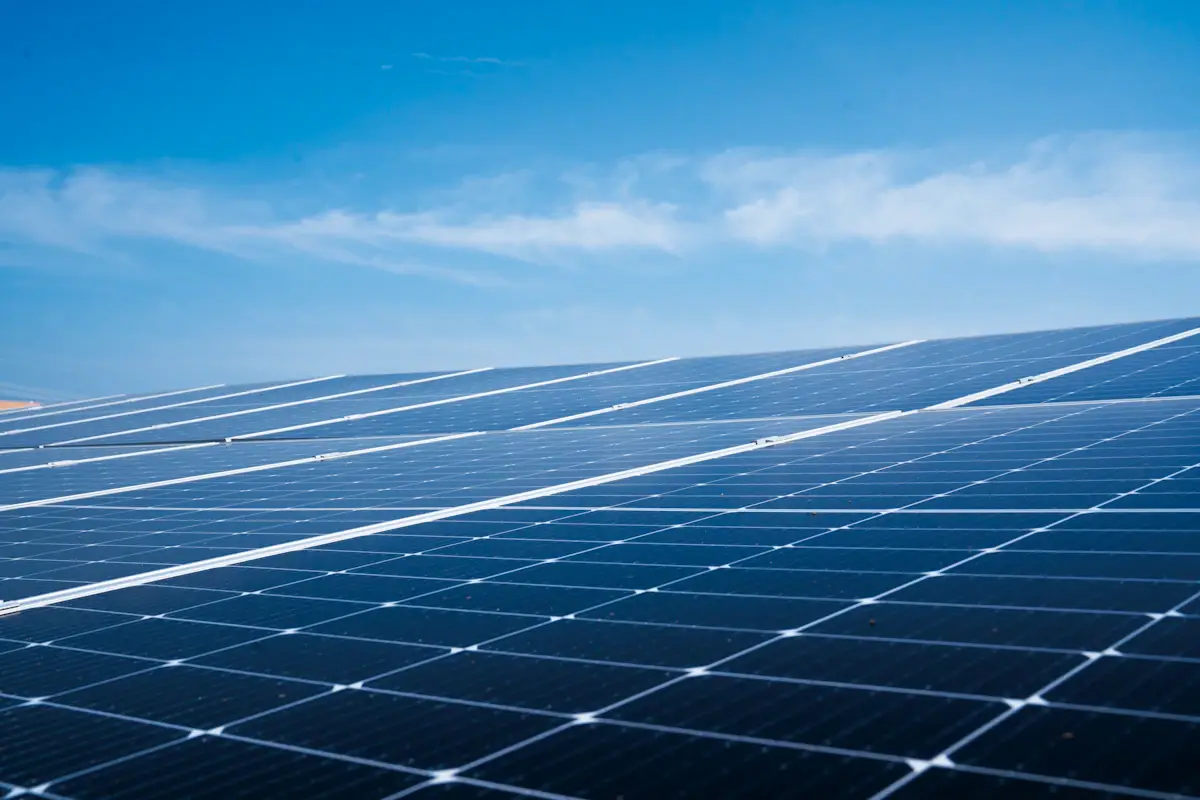
Do solar panels add value to an appraisal?
Eligible owned systems can contribute when the market evidence supports it. For a Fannie Mae appraisal, leased or third-party-owned panels under a power purchase agreement are excluded from the appraised real-property value. A financed system needs a closer review of its ownership and collateral terms. [2] [3]
What documents do you need for a solar panel appraisal?
Start with the agreement and the basic system information. In my work, I have asked homeowners for details such as the number of panels and the system’s output. Those are useful starting points. They help describe the equipment, but they do not establish the ownership or financing arrangement.
For a more useful solar packet, I recommend gathering the following records when available. This is a practical preparation list; the documents needed for a particular assignment depend on its purpose and any lender requirements.
| Record | What it helps explain |
|---|---|
| Purchase or installation agreement | Who acquired the equipment, what was installed, and when. |
| Loan, security, lease, or power purchase agreement | Who owns the panels and what rights another company or creditor retains. Include amendments and transfer terms. |
| Payoff and transfer paperwork, if applicable | What is proposed, what has actually been completed, and whether ownership or creditor rights will change. |
| System specifications and installation date | Panel count, rated capacity, equipment details, and age. Include any battery separately. |
| Available production, service, and warranty records | How the system has operated and any known maintenance or transfer conditions. These records are context, not a promised appraisal adjustment. |
A power purchase agreement, often shortened to PPA, generally means the homeowner buys electricity from equipment owned by another party. For a Fannie Mae loan, the lender is responsible for confirming the ownership and financing structure and giving the appraiser accurate information. A title or UCC financing-record review may also be needed; a homeowner’s summary alone may not resolve it. [2]
For records about the rest of the house, see my home appraisal document packet guide. This page concentrates on the extra questions solar creates.
Why solar comparable sales can be hard to find in REIN
In my Virginia Beach appraisal work, I often encounter listings where solar is not identified clearly in the REIN MLS information. That makes the search more time-consuming. I can be looking for a home with solar and still have to examine individual listings to work out which properties actually have panels.
I have gone through comparable-sale photos looking at the roofs. I have also used Google Maps to locate other homes with solar, then tried to track down whether those properties had sold. That is extra research before I can even decide whether a property is useful as a comparable.
This is why I wish agents would identify solar accurately in the available listing fields and remarks. When I am trying to locate solar sales, that information would make the starting search much easier. The missing detail creates work that a clear listing could help avoid.
A roof image is a research lead. It does not establish who owns the equipment, whether it was installed before the sale, or what financing obligations were involved. Those details need verification before the sale can support a conclusion about solar. A search returning few clearly identified solar homes does not, by itself, prove the panels have no value.
- Locate a candidateListing details, roof photos, or a map can help identify a possible solar sale.
- Check the transactionEstablish that it sold, when it sold, and whether solar was present at that time.
- Verify the solar arrangementInvestigate ownership, financing, and the equipment involved.
- Evaluate comparabilityDecide whether it helps explain buyer reaction after other differences are considered.
The diagram describes the research sequence; it is not evidence from a particular client assignment. My guide to finding and verifying comparable sales explains the broader sources used in this work.
How I support appraisal adjustments for solar panels
When the system can appropriately be considered, one approach I use is to look for similar homes that sold with solar and similar homes that sold without it. If I can find a few on each side, I can compare them and investigate whether the sales support a contribution from the panels.
That is a form of matched-pairs analysis. I am trying to extract what the market paid for the feature. Finding more than one useful comparison helps me examine the pattern instead of making the entire conclusion depend on one sale.
The comparison still has to account for other meaningful differences, such as location, size, condition, sale date, and transaction terms. Simply subtracting two sale prices would not isolate solar if the homes also differed in those ways. Fannie Mae requires adjustments supported by market reaction. [4]
This explains why accurate solar records matter for both the subject home and the sales used to compare it. A photograph of panels does not make two ownership arrangements or two systems equivalent. If the available evidence is limited, the analysis needs to acknowledge that limitation; a precise-looking number does not fix missing information.
Fannie Mae solar panel guidelines: owned vs. leased
For an appraisal subject to Fannie Mae’s requirements, eligibility to include the equipment and evidence of its contribution are separate questions. The following is a short guide, not an underwriting determination for a particular property. [1]
| Arrangement | Treatment summarized from Fannie Mae |
|---|---|
| Owned, with no disqualifying collateral claim | May be considered under standard appraisal requirements. Ownership does not guarantee a positive adjustment. |
| Financed as a real-estate fixture | May qualify if the documents establish that the panels cannot be repossessed for financing default. |
| Separately financed as personal-property collateral | The panels do not contribute to the appraised real-property value. |
| Leased or third-party-owned under a PPA | The equipment’s value is excluded from the appraised real-property value. |
Excluded from value does not mean the installation disappears from the report. Fannie Mae calls for the property’s energy features to be addressed. Its mortgage requirements should not be presented as universal instructions for every private appraisal or every other loan program. [3]
Buying a home with leased solar panels: what should you check?
Ask for the complete lease or power purchase agreement, any amendments, and the proposed transfer or purchase terms. Confirm with the solar provider and your transaction professionals whether you would assume the agreement, buy the equipment, or receive a home where a third party still owns the panels. Give the documents to the lender early when financing is involved. [2]
If you are asking whether leased solar panels increase home value, separate the equipment from the arrangement you would take over. Under Fannie Mae’s appraisal requirements, third-party-owned equipment is excluded from real-property value. A payment amount or projected utility saving does not establish an appraisal adjustment. [3]
What if the seller will pay off the panels at closing?
“They must be paid off before the inspection” is too broad a rule. Some financed systems can qualify, and Fannie Mae’s guide also addresses borrowers who will become owners. A seller’s promise to pay at closing is not enough to establish the resulting arrangement. [2]
The loan or lease, proposed payoff, transfer terms, and applicable releases need to support what is being represented. For a lending assignment, that needs coordination with the lender. Paying the remaining lease installments is not necessarily purchasing the equipment; the contract must establish what happens to ownership.
An appraisal should be clear about its effective date and any reliance on a future event. A proposed payoff should not be described as already completed. The practical point is to provide the documents early, so the assignment can address the actual arrangement instead of relying on an assumption.
Installation cost and loan balance do not set the adjustment
I do not take the installation price, the remaining loan balance, or a sales projection of electricity savings and add that figure to the home’s value. The question I am working on is what the real estate market supports.
Fannie Mae allows cost or income analysis to supplement sales comparison, but prohibits a mechanical dollar-for-dollar adjustment from installation cost or projected savings alone. Market reaction still has to be analyzed. [3] The broader distinction is covered in my article about renovation cost and appraisal value.
If you are preparing for a private appraisal in Virginia Beach or Hampton Roads, contact Capital Valuations and mention the solar system when you describe the property. Having its records available gives the research a better starting point.
About the author. Joseph T. Ellington Jr. is a Virginia Licensed Residential Appraiser and owner of Capital Valuations, serving Virginia Beach and Hampton Roads. He has 20+ years of appraisal experience. Read Joe’s professional background.
Sources
- Fannie Mae: Appraising properties with solar panels. Ownership and financing summary.
- Fannie Mae Selling Guide B2-3-04. Ownership, lender documentation responsibilities, and financing arrangements.
- Fannie Mae Selling Guide B4-1.3-05. Energy features, leased equipment, and market-supported valuation.
- Fannie Mae Selling Guide B4-1.3-09. Market-supported adjustments to comparable sales.