
Last updated
An inherited home’s value depends on the property interest, the required valuation date, the home’s characteristics, and relevant market evidence. I establish the assignment’s purpose, verify the property, investigate comparable sales, and explain which evidence supports my conclusion.
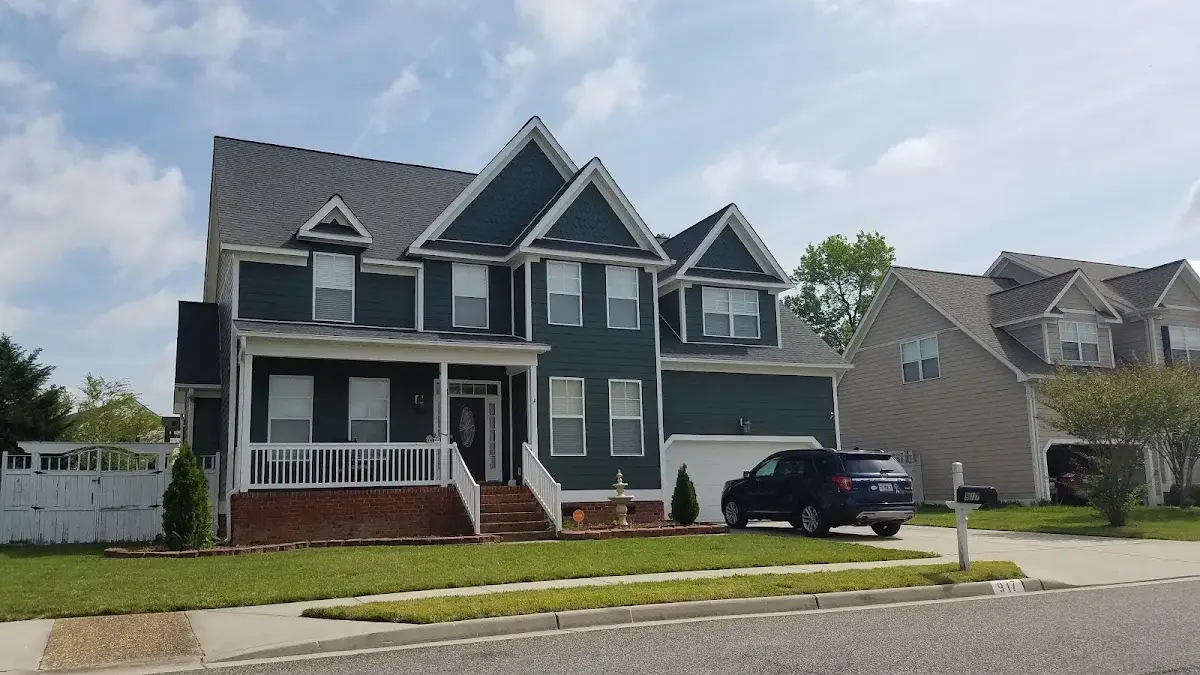
I establish the valuation question before researching a number
When someone contacts me about an estate appraisal, I first need to understand what decision the report will support and which date the value must reflect. A value as of the owner’s death and a value for selling the home today answer different questions.
I coordinate that information with the attorney, executor, or other appropriate contact. I also identify who is engaging me and the intended users of the report. If several relatives are involved, I can listen to their property information while keeping communication about assignment results within the client’s authorization.
A family may already have a price in mind. I want to understand the information behind it. A neighbor’s sale, an online estimate, or remembered square footage can help identify questions to investigate. The family’s expectation gives me context; the property and market evidence must support the conclusion.
I connect today’s inspection with the property’s earlier condition
For retrospective estate work, I ask whether anything changed between the required valuation date and my inspection. Repairs, renovations, damage, and other alterations can affect how today’s observations relate to the earlier property.
I normally ask the executor or family contact and document the response in the workfile, whether the information comes verbally or by email. A separate signed attestation is not a routine requirement in my workflow.
I evaluate that account alongside available information such as dated listing photographs, improvement records, and municipal records. An absence of permit activity does not establish that no work occurred. Similarly, an older-looking room does not establish its condition on a particular past date.
Where material historical uncertainty remains, I need to explain it and determine whether the available evidence supports credible results. An extraordinary assumption, when appropriate, needs a reasonable basis and disclosure. For the timing and records discussion, see my date-of-death appraisal guide.
I measure the home and investigate questionable additions
On my interior-and-exterior inspections, I measure the home and apply ANSI Z765-2021 measurement guidelines where applicable. I check the characteristics of converted garages, sunrooms, and additions before deciding how to calculate and report the space.
When something looks non-original or the measured area differs from public records, I check the available property and permit information. I consider what the space actually provides, including its finish, access, heating arrangement, and utility.
Three questions need their own answers. How should the area be measured and reported? What do the available records establish about approvals and permitted use? How does the market respond to that space?
A missing permit record alone does not settle all three. Nor does the family’s use of a room settle its classification. A converted space can contribute value even when it is described separately from the main living area. My job is to explain its characteristics and contribution without making unlike areas appear interchangeable.
I investigate the sales the family brings me
If the family points to a nearby sale, I would rather investigate it than leave the comparison unexplained. I review the sale date, property characteristics, interior photographs, and available transaction information.
When a sale has unusual pricing, substantial condition differences, or a questionable conversion, contacting a listing or buyer’s agent is part of my verification. That conversation can help clarify updates, condition, concessions, and other circumstances that a sale price alone cannot show.
A clean older kitchen and a newly remodeled kitchen can both be well maintained while appealing differently to buyers. I need to understand that distinction across the whole property and look for relevant market evidence.
The sale’s relationship to the required date also matters. A transaction that is recent today may be poorly timed for a historical valuation. The detail that makes a comparable useful is its relevance to the property and assignment.
I distinguish adjustment support from a repair budget
An adjustment explains a market-relevant difference between a comparable and the property being appraised. Its support needs to fit the particular market and assignment.
A renovation invoice can help describe completed work. It does not establish the amount buyers will pay for that work. Likewise, a living-area adjustment should address the contribution of the size difference; applying the property’s entire average sale price per square foot can mix other value components into that calculation.
I also need to avoid overlapping deductions. If an overall condition adjustment already accounts for differences in roof and HVAC condition, another deduction for those same differences would count them again.
Bathroom count and bathroom modernization require similar care. An additional bathroom changes utility. Updating the finishes in an existing bathroom addresses a different comparison. The explanation must make clear what each adjustment covers.
A simplified example of how the comparison can change
The following is an illustrative composite using invented properties and assumed adjustments. The photograph provides residential context and is unrelated to the example.
Assume a ranch is reported with 1,400 square feet of main living area and a separately described former garage. The sales and adjustments below illustrate how comparisons can change after investigation.
Sale prices and adjusted indications
Illustrative composite · Assumed adjustments · Dollars
| Comparable | Adjustment calculation | Indication |
|---|---|---|
| Similar ranch | $352,000 − $2,000 garage/bonus-space difference − $2,500 covered patio | $347,500 |
| Busier-street ranch | $338,000 + $4,000 garage/bonus-space difference + $5,000 location − $4,000 living area | $343,000 |
| Renovated neighbor | $455,000 − $70,000 overall condition − $15,000 additional bathroom − $10,000 conversion-utility difference | $360,000 |
The living-area calculation is 80 × $50 = $4,000. The $50 rate is assumed solely for this example. Actual adjustment support and a final value conclusion require property-specific research.
How the renovated sale reaches $360,000
Illustrative adjustment bridge · Starting sale price $455,000
I explain why some evidence carries more weight
After analyzing the sales, I explain which comparisons provide the most persuasive evidence. Similarity in property type, condition, size, location, and utility matters alongside the quality of the verification and adjustment support.
A sale with fewer adjustments may be easier to compare, but that fact alone does not make it the strongest evidence. I need to explain why the comparison is credible and how its limitations affect the conclusion.
I also keep an active or pending listing’s role clear. It can help describe competing choices or market context. An asking price is not a completed transaction, and a presumed negotiation discount does not establish the eventual sale price.
The reader should be able to follow how the investigation supports the conclusion. That explanation is more useful than a collection of sale prices or an unexplained average.
Use the report for the decision it addresses
If you need an appraisal for an inherited property in Virginia Beach or elsewhere in Hampton Roads, send me the address, the intended use, the required date, and any instructions from your attorney or tax adviser. My estate and date-of-death appraisal service explains how to inquire.
For questions about an assessment, see tax assessments and date-of-death appraisals. For an heir buyout, my inherited-house buyout guide explains the distinction between property value and the amount paid to a co-owner.
About Joe Ellington
I’m Joe Ellington, owner of Capital Valuations and a Virginia Licensed Residential Appraiser based in Virginia Beach. I serve Hampton Roads and the Peninsula. Read about my appraisal experience and qualifications.
Sources and editorial note
This article draws on my explanations of my estate appraisal workflow. AI assisted with research, organization and drafting. The numerical example is illustrative.
- Fannie Mae — Improvements Section of the Appraisal Report. Area reporting, property characteristics and unpermitted additions within Fannie Mae lending assignments.
- Fannie Mae — Standardizing Property Measuring Guidelines. Guidance explaining Fannie Mae’s application of ANSI. Private estate assignments have their own scope and applicable requirements.
- Appraisal Institute — Guide Notes. Guidance on applying appraisal standards, including reasonable support for extraordinary assumptions.
- The Appraisal Foundation — Practicing Appraisers. Confidentiality and professional-responsibility guidance.