
Homeowner guide · Hampton Roads
How to Appeal a Property Tax Assessment in Hampton Roads
Think your home’s assessed value is too high? Start with the facts, the right office and the right deadline. Here’s a practical path from your notice to your appeal.
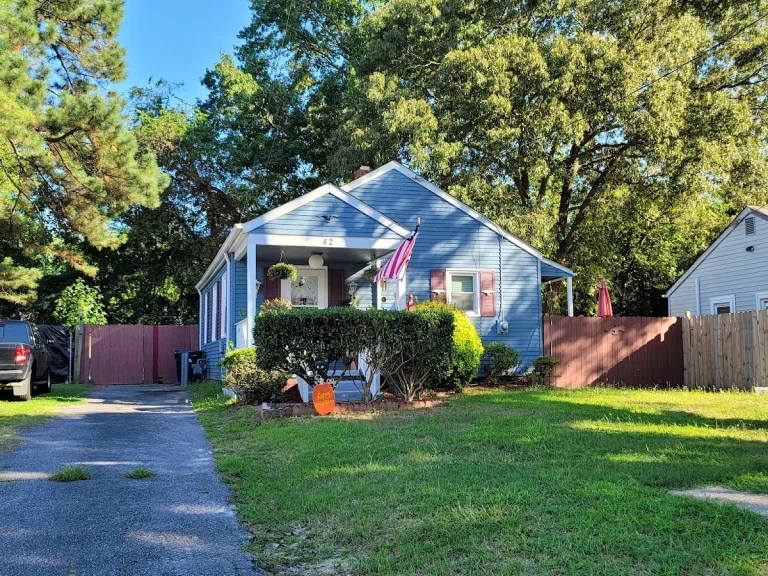
Start with your city or county assessor
For a home in Hampton Roads, an assessment appeal normally begins with the local real estate assessment office. You are questioning the property’s assessed value—not filing a Virginia income-tax appeal. Ask for the property record, the applicable valuation date, the current appeal instructions and each deadline.
You do not need to order an appraisal before making that first call. A factual correction may be the first useful step.
Decide what you are questioning
Put your assessment notice next to your tax bill. The assessed value and the amount you owe are different numbers. An assessment appeal addresses valuation or assessment errors; it does not set the tax rate.
| Your concern | What to do first |
|---|---|
| The property description is wrong | Ask the assessor to check the property record and explain how to request a correction. |
| The assessed value seems unsupported | Ask about an assessment review or appeal and the evidence needed for the relevant date. |
| The bill or payment looks wrong | Contact the local office that issues or collects the bill, usually the Treasurer. |
| You need tax relief or an exemption | Ask your locality which office administers the program and its separate application deadline. |
A large increase is a reason to look closely. By itself, it does not establish that the value is wrong. The useful question is whether the assessment fairly reflects your property under the applicable valuation rules.
For more background, see how a tax assessment differs from a private appraisal. Suffolk’s official explanation also separates the assessor’s valuation role from tax rates and billing.
Write down the year, value date and deadlines
Find the parcel number, assessment year and locality on the notice. Use the taxing jurisdiction shown there, not just the city in your mailing address. A Williamsburg mailing address, for example, is not enough to choose the correct city or county office.
Keep these dates separate:
- Valuation date: the date the value must describe.
- Tax or fiscal period: when that assessment is used for billing.
- Filing deadline: when the review or board application is due.
- Evidence deadline: when the documents supporting your case must arrive.
In Chesapeake, the City explains that the annual valuation is as of January 1 and applies to the fiscal tax year beginning July 1. A report answering “What is my home worth today?” may address a different date. See the City’s assessment timetable.
A later hearing is not extra filing time
Virginia Beach’s board hearings occur after its filing period, but its published procedures require written and visual evidence by June 30 of the year under appeal. Newport News has different residential evidence rules. Check your own locality before relying on the hearing date.
If a deadline is close or has passed: call the assessor or board office immediately and ask what routes remain for that assessment year. Do not assume an unanswered email, an informal review or an appraisal appointment extends a deadline. A supplemental assessment may follow different instructions.
Check the property record against the house
Download the property card from the locality’s official property search, or ask the assessor for a copy. Compare the record with documents and facts you can verify:
- Address, parcel boundaries and lot size.
- Living area, story count and finished versus unfinished space.
- Bathrooms, garages, additions, outbuildings and other improvements.
- Recorded age, condition, renovations and damage.
- Any feature the record includes that does not exist—or leaves out.
Mark each discrepancy, explain why it matters and attach support. A labeled photograph, survey, floor plan, permit or demolition record is more useful than a general statement that the assessment is unfair. Ask what the assessor’s area measurements include before treating a square-footage difference as an error.
Example of a clear concern: “The property card lists a finished room above the garage. That area was unfinished on the valuation date. I have dated photographs and the floor plan for your review.”
Record corrections can change value in either direction, or leave it unchanged. Focus on an accurate description. Our home measurement troubleshooting guide explains common area discrepancies.
Call the assessor and ask specific questions
Have the notice and parcel number in front of you. Ask to discuss the assessment with the staff member responsible for the property. Several localities recommend this conversation because it can clarify the record or resolve a concern before a board hearing.
A simple first-call script
“I own the property at [address], parcel [number]. I’m reviewing the [year] assessment because [specific issue]. Can you explain the value date and the property information used? Which review form should I use, and what are the application and evidence deadlines?”
Also ask:
- Can I see the sales and property information supporting the assessment?
- Is an inspection needed to check the facts?
- Is an administrative review required before a board appeal?
- If I still disagree, which board application applies to this property?
- What submission methods, signatures and copies are required?
Write down the staff member’s name, the date and the next action. Request written confirmation of any deadline or filing instruction that is unclear. An informal conversation and a formal application are different steps.
Build evidence that answers the value question
Start with your reason for appealing, then gather the documents that address it. Keep the evidence tied to the required date and your particular property.
| Issue | Useful supporting material |
|---|---|
| Property record error | The marked property card, plans, surveys, permits and labeled photographs. |
| Condition or damage | Dated photos, inspection reports and itemized repair estimates explaining what existed on the valuation date. |
| Market value | Relevant closed sales, verified sale dates and prices, and an explanation of the properties’ similarities and differences. |
| Unequal treatment | Assessment records for genuinely comparable properties and a clear explanation of the claimed inconsistency. |
For sales, consider location, property type, size, age, condition, site and amenities. Use the sales period specified by the locality. An active listing is an asking price; an online estimate is not a substitute for explaining comparable sales. A neighbor’s lower assessment alone does not prove your value is wrong. Our article on finding and verifying comparable sales explains the selection process.
A repair estimate documents an expense. It does not automatically equal the reduction in market value. Similarly, a sale or renovation after the required date may need context rather than being used at face value.
Where an independent appraisal fits
An appraisal can be useful when the unresolved issue is market value and you need a supported opinion for the correct date. Before ordering, send the appraiser your notice, parcel information, deadline, current appeal instructions and the reason for the disagreement.
Confirm the intended use, intended users, effective date, property interest, report requirements, fee and delivery timing. An older mortgage appraisal is not automatically suitable for an assessment appeal; Norfolk and Williamsburg publish specific requirements for appraisal evidence.
I provide an independent opinion of value. It may support your concern, or it may not. Ordering a report does not file an appeal, reserve a hearing or guarantee a lower assessment. For the documents I need and how to discuss an assignment, visit Property Tax Appeal Appraisals.
Use the correct form and confirm receipt
Download the form from your locality’s official website or obtain it directly from the office. Check that it covers the correct year, property type and appeal level. An assessor’s informal review form is not necessarily a board application.
Prepare a short cover statement: identify the property and year, state the assessment you dispute, explain the specific issue and list your supporting exhibits. If the form requests your opinion of value, support it with evidence rather than choosing a percentage reduction.
Follow the instructions for signatures, separate parcels, authorization if someone represents you, copies and electronic or paper delivery. Save the exact packet you submitted and its receipt, email confirmation, tracking or postmark documentation. Ask promptly whether anything needs correction.
If you are still waiting for a document
Contact the board office before the deadline. Virginia Code § 58.1-3378 includes a residential application safeguard involving the address, parcel number and owner’s proposed assessed value. Ask how it applies to your board and how later evidence must be submitted; it is not permission to miss a filing deadline or disregard hearing requirements.
Before you submit
Use this checklist while you work. Checkmarks are temporary and are not sent to Capital Valuations or the locality.
Prepare for the hearing and follow the decision
If a hearing is scheduled, read the board’s procedures before you arrive. Confirm whether you must attend, how much presentation time you have and whether additional documents are permitted. Do not save your main evidence for the day of the hearing.
Organize your presentation in the same order as your packet:
- Identify the property, assessment year and issue.
- State the facts you believe need correction or the value you support.
- Point to the strongest exhibits and explain their relevance.
- Answer questions directly and acknowledge meaningful differences between properties.
The board can leave the assessment unchanged, reduce it or increase it. Keep the written decision and check any resulting assessment or billing adjustment with the responsible office.
Keep paying attention to the tax bill. Do not assume an appeal suspends payment. Virginia Beach expressly requires on-time payment while an appeal is pending; confirm payment instructions with your locality’s Treasurer.
If you still disagree, ask about further review promptly. Circuit court relief has separate legal requirements and deadlines under Virginia Code § 58.1-3984, with local exceptions. Discuss that route with a Virginia attorney. An appraisal assignment does not include legal representation or filing the court case.
Official local resources
Find the right office, forms and timetable
Open your locality below. These are starting points for residential assessment questions—not one shared Hampton Roads filing calendar. Check your notice and the current official instructions before acting.
Timing note: Resources were reviewed October 18, 2026. Several 2026 filing windows have already closed. A date listed for an earlier cycle is not a new deadline for 2027.
Virginia Beach
Real Estate Assessor’s Office · 757-385-4601
The City lists March–April 30 for an assessor reappraisal request and March–June 30 for a Board of Equalization appeal. Its hearing procedures also require documentary evidence by June 30 of the tax year under appeal.
Appeal routes and applications
Board hearing and evidence rules
Chesapeake
Real Estate Assessor’s Office · 757-382-6235
The assessor’s page provides the process, filing instructions, sample packet and application. The linked board form lists April 1 and asks for supporting documentation with the application. Confirm the applicable year and current instructions with the office.
Assessment office and appeal documents
Board application (PDF)
Norfolk
Real Estate Assessor’s Office · 757-823-1343
Informal review starts with the assessor; formal appeals go to the Board of Review. The City specifies appraisal purpose, intended user, effective date and sales period. Its page currently mixes a general late-May board deadline with June 1, 2026 packet instructions. Confirm the filing date and evidence rules for your year directly with the office.
Portsmouth
City Assessor
Use the City Assessor’s notices and appeals page and its forms directory. Ask the office for the current residential review and Board of Equalization packet, filing dates and evidence instructions. Use the contact information on your assessment notice if the online page does not show the current cycle.
Suffolk
Real Estate Assessor · 757-514-7475
The City recommends an informal review, although it is not required before a formal Board of Equalization appeal. Contact the assessor for the current application, filing deadline and supporting-document requirements.
Hampton
Assessor of Real Estate · 757-727-8311
Hampton states 30 days from the notice date for office review and 60 days for a Board of Review application. Check its published calendar for the exact dates. An office review is not required before applying to the board.
Newport News
Board of Review administrative office · 757-812-7816
The board accepts applications July 1–September 1, with a next-business-day rule when September 1 falls on a weekend or holiday. The 2026 procedures give residential properties with fewer than four units a separate supporting-document deadline: at least five business days before the hearing.
Residential application and board contacts
2026 appeal procedures (PDF)
Poquoson
Assessor · 757-868-3080
Administrative review and Board of Equalization applications are separate. The appeals page reviewed still displays the 2025 reassessment/FY2026 timetable. Ask for the correct current forms and dates. The assessor also distinguishes general reassessment appeals from new-construction or improvement changes.
Appeal information and forms
Assessor and assessment-cycle information
York County
Real Estate Assessment Office · 757-890-3720
Office review dates appear on the reassessment notice. The board application requires comparables; the notice and assessor’s calendar provide the application deadline and hearing period. Check the current notice for your parcel.
Appeal process and board application
Assessment office and public notices
City of Williamsburg
Real Estate Assessor’s Office · 757-220-6185
The City’s board page says to complete its administrative appeal process before requesting a Board of Equalization hearing. It lists May 1 for board applications, with electronic submissions before 4:30 p.m. and mailed submissions postmarked by that date. Obtain the correct board form from the assessor; the separate informal Assessment Review form is not that application.
Board process and requirements
Assessment office and current forms
Common questions
A few questions before you begin
Do I have to buy an appraisal to appeal?
Do not assume so. Start with the locality’s instructions and your actual concern. Property records, photos and comparable sales may be relevant evidence. Ask whether a private appraisal would add useful support before paying for one.
Does a private appraisal automatically raise my taxes?
Ordering a private appraisal does not automatically change the local assessment. What you submit in an appeal becomes part of that process, and a review can produce an increase, decrease or no change. Read Will a Home Appraisal Raise My Taxes? for the fuller explanation.
Should I send the appeal to the state?
For an ordinary home assessment dispute, start with the local assessment office and the applicable local board process. Virginia Tax explains that it does not hear local real-property assessment appeals. Its official explanation of jurisdiction distinguishes these disputes from state tax appeals.
What if my home was damaged after the valuation date?
Explain when the damage occurred and ask the assessor which review or relief procedure applies. A later event may call for a different request; it does not automatically establish that the earlier value was wrong.
Need independent value evidence?
Let’s discuss the property and the deadline.
Send the address, assessment notice, required value date, appeal instructions and your main concern. I can discuss whether an appraisal fits the question and quote the appropriate work and timing.
See what a property tax appeal appraisal provides →About this guide: This is a practical overview of residential assessment reviews and appeals, not an instruction to use the same process everywhere. Official local sources are linked in the directory and beside the relevant steps. Confirm current requirements with the office handling your assessment. Capital Valuations provides independent residential appraisal services.