

By Joseph T Ellington Jr – Licensed Residential Appraiser, Capital Valuations.
External obsolescence is a loss in property value caused by something outside the property itself. Traffic, adverse neighboring land use, or a broader economic change may influence buyers, even if the building is well maintained. An outside influence does not automatically produce a measurable loss: relevant market evidence must support the effect.
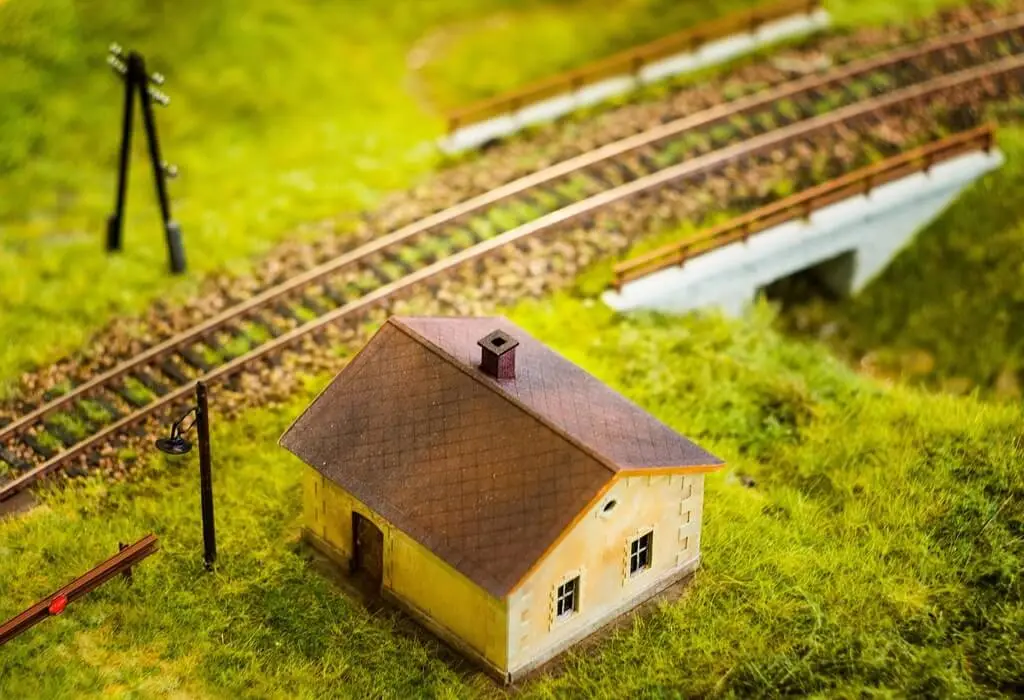
Three distinct sources of depreciation
| Type | Where the issue starts | Example |
|---|---|---|
| Physical deterioration | The building or site | Roof wear |
| Functional obsolescence | Design or utility | Awkward circulation |
| External obsolescence | Outside the subject | Adverse neighboring use |
In Hampton Roads, flight paths, rail lines, industrial activity, flood exposure, and traffic may be relevant depending on the property. Their presence is not a universal percentage adjustment. Our broader guide covers other influences.
How to test the market reaction
- Identify the influence, its proximity, intensity, and likely duration.
- Find otherwise similar transactions with and without that influence where possible.
- Analyze whether buyers paid differently, considering other property differences.
- Avoid double counting an effect already reflected in site or location analysis.
Scarce comparables can limit precision; the report should explain the evidence and uncertainty. Fannie Mae’s sales comparison guidance provides reporting context, and our comps guide explains selection.
What an owner can provide
Share accurate information about the setting, any mitigation, permits or easements, and relevant nearby closed sales. For an independent appraisal, contact Joe with the property address and intended use.