
Capital Valuations · Serving Chesapeake, Virginia
Chesapeake home appraisals.
See the whole property.
The house. The land. The neighborhood. Get an independent residential valuation that brings the details together for your next decision.
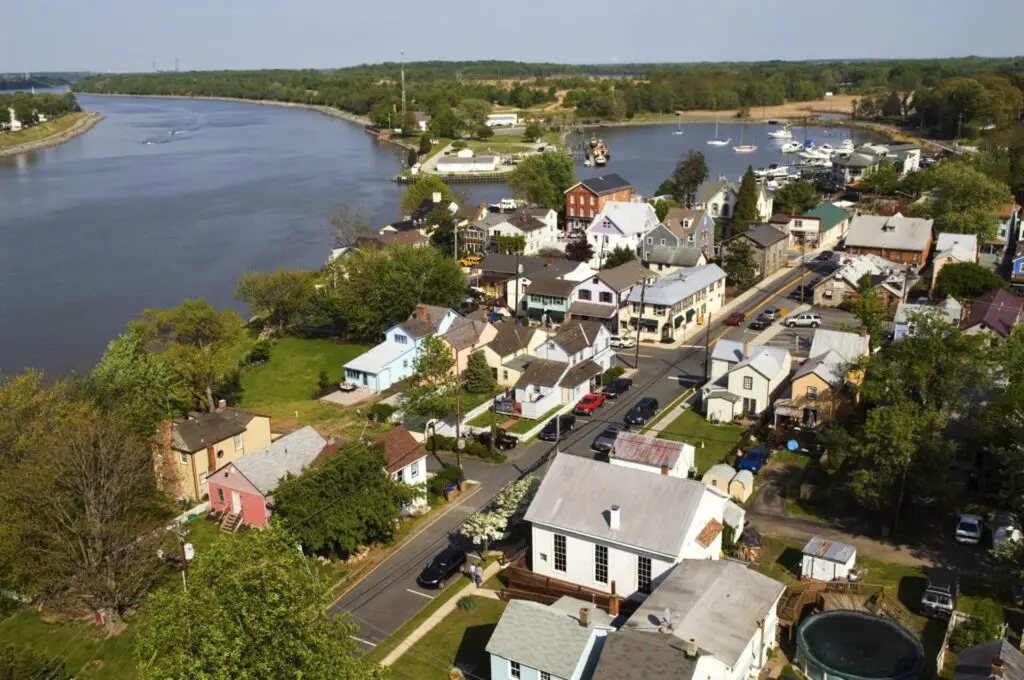
A property-first approach
There is more to compare
than square footage.
Single-family homes · Condominiums · Townhomes
A condominium in Greenbrier, an older home in South Norfolk, and a residence on a larger parcel in southern Chesapeake can require very different research. A citywide average cannot explain every difference in land, condition, access, or ownership.
Capital Valuations serves Chesapeake homeowners, buyers, estate representatives, attorneys, and lending clients. Joseph T Ellington Jr – Licensed Residential Appraiser, considers the property and its competitive market, then develops a value opinion for the agreed purpose and effective date.
Start with what you need to decide. We will discuss the address, property characteristics, reporting needs, and schedule before accepting the assignment.
Look closer
What makes your
Chesapeake property different?
Explore the features that can shape the research and the records worth gathering.
House & improvements
What changed, and how does the market respond?
An addition, a remodeled kitchen, or a finished room over the garage can change how buyers compare a home. The first step is understanding what was built, when it was completed, and how the space functions.
- Updated floor plans and permits, if available.
- Dates and descriptions of major improvements.
- Differences between the actual home, old listings, and public records.
Land & outbuildings
A larger lot is only part of the story.
For homes on larger sites, usable area, access, shape, easements, utilities, and improvements can matter as much as total acreage. Two parcels of the same size may offer different practical uses.
- Surveys or plats and information about access.
- Available well, septic, or utility information when relevant.
- Details about garages, workshops, barns, and other structures.
Water & site setting
A view and usable waterfront are different features.
Water frontage, drainage, flood exposure, access rights, and the relationship between the home and the water may affect comparison. A nearby waterway does not establish a standard premium or deduction.
- Available elevation certificates or flood information.
- Surveys showing the site and any recorded easements.
- Details about shoreline improvements and permitted access, if applicable.
Condo & townhome
Understand the ownership, not just the appearance.
An attached home can have different legal ownership and maintenance arrangements. For a condominium, the project, unit location, fees, amenities, and relevant association information may be important.
- Condominium or association information available to the owner.
- Known special assessments and recent unit improvements.
- Unit layout, parking arrangements, and relevant project documents.
01Greenbrier
Condominium projects, townhomes, and detached homes can require separate comparison sets. Project characteristics, ownership form, renovations, and the immediate setting deserve attention.
A nearby sale is a starting point. Confirm that its property type and competitive appeal are comparable, rather than relying on the shared Greenbrier label.
02Great Bridge & Riverwalk
Established streets, newer construction, and properties near waterways can bring different site and improvement considerations. Start with the specific subdivision, home, and location.
For an updated older home, document the extent and timing of the work. For a property near water, clarify the actual view, frontage, and access rather than assuming all nearby homes share them.
03Hickory & southern Chesapeake
Residential assignments here may involve subdivision homes or larger parcels. Site utility, access, outbuildings, and public or private utilities can make a simple price-per-square-foot comparison incomplete.
Gather available surveys, building records, and information about wells or septic systems when applicable. Specialized or complex properties require a scope and competency review before acceptance.
04Grassfield & Deep Creek
The mix of development patterns makes the home’s immediate market important. Construction age, lot characteristics, floor plan, and renovation quality can distinguish otherwise similar homes.
New construction and resale transactions should be examined carefully. Builder incentives, upgrades, and sale terms may affect how a transaction is interpreted.
05Western Branch
City boundaries and connecting roads can place apparently nearby homes in different markets. Research should establish which alternatives a typical buyer would actually consider.
A sale in Portsmouth or Suffolk is not automatically suitable or unsuitable. The appraiser must explain its market relevance and any important differences.
06South Norfolk & Indian River
Older housing, later infill, renovations, and varied layouts can create differences that are easy to miss in an online estimate. Condition, functional layout, and documented changes are important.
If an addition, conversion, or substantial renovation is part of the property, share available plans and permits. A visible improvement is not proof of its approval status.
Not sure where your property fits? The address and property details are enough to begin the conversation. We confirm coverage, availability, and assignment fit individually.
Understanding the evidence
Which sales tell
your home’s story?
A useful comparable is more than a home that sold nearby. The report should connect the selection of sales to the property being appraised.
Would the same buyers consider it?
Property type, location, size, quality, and utility help define the competitive market. A house on a small subdivision lot may not substitute well for a residence on several acres.
What needs to be accounted for?
Condition, additions, garages, site features, and other differences can affect the analysis. Adjustments should follow relevant evidence, not a universal schedule of prices.
What happened in that transaction?
The sale date, concessions, financing terms, and market conditions can matter. A listing’s asking price is useful context, but it is not a completed sale.
An appraisal with a defined purpose
Bring the decision.
We’ll discuss the assignment.
Selling a Chesapeake home
A pre-listing appraisal can give you a supported starting point for pricing discussions with an agent or for a sale by owner. Share your planned listing date and improvements that may not appear in public records.
Plan a pre-listing appraisalHandling an estate or past-date value
Identify the date that matters with the estate representative or adviser. Older photographs, records, and renovation dates may help establish what the property was like at that time. A later family decision can raise different appraisal questions for an inherited-home buyout.
Estate appraisal informationWorking through a property division
For divorce or a potential buyout, clarify the intended users, effective date, and scope before ordering. An independent opinion can provide a common piece of valuation evidence for discussion.
Divorce appraisal informationConsidering a private purchase
A cash buyer or someone arranging a family transaction may want an independent value opinion. Discuss access and contract deadlines early, and confirm whether a lender has separate requirements.
Private purchase appraisalsContact your lender or mortgage servicer first. It may need to order the appraisal or specify the accepted provider and valuation product.
A practical head start
Build your property
document list.
Choose your situation and the features that apply. You’ll get a short list to save before contacting your appraiser. Missing a document? We can discuss what is available.
- Property address, appraisal purpose, and deadline.
- Required date of value and who will use the report.
- Improvement history and available plans, permits, or surveys.
- Access arrangements and relevant property records.
No address or personal information is collected by this tool. Selections stay in this page session.
Your starting list
Preparing to sell
- Property address, intended use, and deadline.
- Required effective date and intended users.
- Improvement list with approximate completion dates.
This is a preparation aid. The appraiser will confirm the information needed for your particular assignment.
Your Chesapeake research desk
Know where to
find the records.
Good questions often start with a plan, a permit, or a parcel record. These official resources help you take the next step.

Property information ↗
Start here for the City’s property-information resources. Check parcel details against your records and flag any apparent discrepancies.
Real Estate Assessor ↗
Find assessment information and the City’s appeal guidance. Confirm the relevant valuation date and current procedures before commissioning an appraisal for an assessment question.
Zoning Administration ↗
Ask about zoning and proposed property uses. Available space alone does not establish permission for another dwelling, a business use, or a new structure.
Permits & building records ↗
Find permit guidance and the City’s online permit system. Available records may help document additions, renovations, and other changes.
Floodplain Management ↗
Access the City’s flood-information resources and mapping links. Review the specific property rather than assuming an entire neighborhood has the same exposure.
City maps ↗
Explore Chesapeake mapping resources for neighborhoods, planning areas, and development context. Online mapping does not replace a boundary survey or an official determination.
Get to know the setting.
The Chesapeake Arboretum offers a local point of reference for trails and green space. The Great Dismal Swamp National Wildlife Refuge is another important regional landscape.
Keep the appraisal property-specific.
Landmarks help describe a place. Their presence does not establish a dollar premium for an individual home. Relevant sales and the property’s actual relationship to its surroundings guide the valuation.
Official resource links open in a new tab. Capital Valuations is independently operated and is not affiliated with or endorsed by these agencies.
The questions behind the property
Chesapeake appraisal FAQs.
Can you appraise a Chesapeake home with several acres?
Send the address, acreage, property use, and a description of the improvements. Larger residential parcels may require additional analysis of access, utilities, usable area, and marketability. The assignment must fit the appraiser’s license scope and competency before it is accepted.
Does a detached garage or workshop add its construction cost to value?
Not necessarily. Size, quality, condition, utility, and what competing buyers want can affect its contribution. Records describing the structure help the appraiser analyze it, but the amount spent does not establish the market contribution.
What if a finished room or addition is missing from City records?
Point it out and share available plans, permits, and completion dates. The appraisal considers the actual property and explains relevant differences in measurement or reporting. It does not automatically treat every finished area as equivalent living space. For area documentation without a value opinion, ask about our home measuring services.
Will every nearby sale be considered a comparable?
Nearby sales can be researched without all being selected. A home in another project, on a very different site, or with materially different characteristics may be less useful than a sale farther away in the same competitive market.
Can I use a private appraisal to question my assessment?
An appraisal may provide relevant evidence if its scope and effective date address the assessment issue. Review Chesapeake’s current process with the Assessor’s Office before ordering. A report does not guarantee an assessment change or replace filing requirements.
What determines the fee and delivery time?
Property complexity, the intended use, the date of value, access, research needs, and reporting requirements affect the fee and schedule. Provide the address and deadline so we can quote the actual assignment before scheduling.
How should I prepare an older or recently renovated home?
Make relevant areas accessible and gather an improvement history. Older photos can be useful for a retrospective assignment; plans and permits may help explain additions or conversions. You do not need to stage the home for an appraisal visit.
Does an appraisal check the well, septic, or structural systems?
An appraisal addresses the agreed valuation scope. It is not a comprehensive home inspection or a test of private utility systems. Disclose known issues and provide relevant reports; specialist inspections may be needed separately.

A direct conversation with your appraiser
Joseph T Ellington Jr
Virginia Licensed Residential Appraiser
Based in Virginia Beach and serving residential clients in Chesapeake and across Hampton Roads, Joe brings the conversation back to your property, your purpose, and the evidence needed to support the assignment.
Home Appraiser Serving Chesapeake, VA
I'm Joe Ellington of Capital Valuations, a Virginia Licensed Residential Appraiser serving Chesapeake. This short introduction presents my home appraisal service and invites you to contact me about your property and appraisal needs.
Watch the Chesapeake appraisal video on YouTube ↗Let’s start with your address
Your property has details.
Let’s talk through them.
Tell us where the home is, why you need an appraisal, and when you need it. We’ll discuss the right scope and provide a quote.
Have a property in a neighboring city?