
FHA appraisal requirements cover both the home’s value and property conditions relevant to FHA financing. The appraisal does not replace a home inspection. I’ll explain what stood out in my past FHA work, the issues homeowners should prepare for, and how repair follow-up differs from a full inspection.
By Joseph T. Ellington Jr., Virginia Licensed Residential Appraiser · Capital Valuations
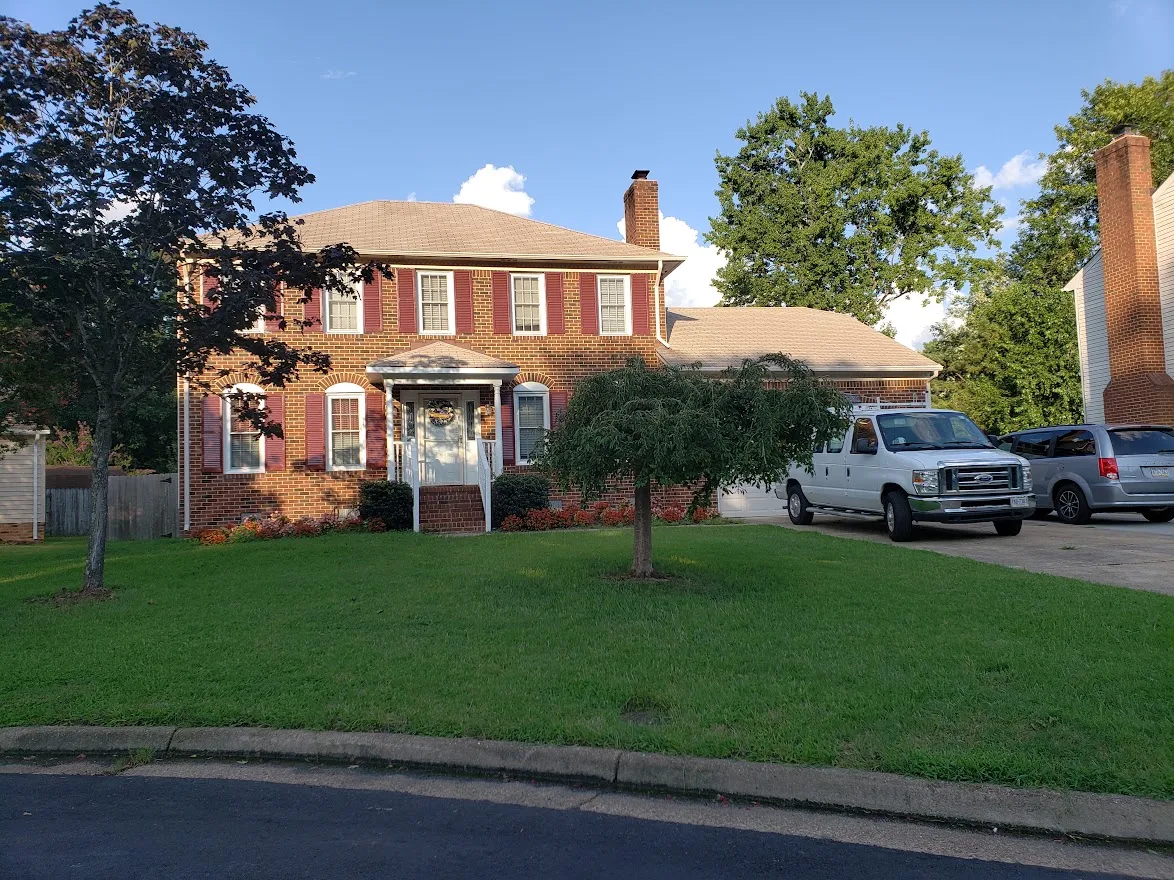
Chipped paint was a recurring issue in my FHA work
When I performed FHA appraisals, chipped paint was one of the issues I encountered repeatedly. It was the sort of thing a homeowner could overlook while thinking mainly about the house’s value. My advice is to look through the applicable property checklist ahead of the appointment and address relevant issues instead of being surprised when the appraisal raises them.
Paint treatment depends on the building’s age and the condition involved. HUD has specific defective-paint requirements for pre-1978 improvements. Deteriorated exterior paint exposing the underlying surface can also matter on newer improvements. A paint chip alone is not a finding that lead is present.
What FHA property observations cover
HUD Handbook 4000.1 addresses safety, security and soundness as well as valuation. Examples include observable roof or structural concerns, electrical hazards, plumbing and heating problems, and safely accessible attic and crawl-space areas. An access limitation needs to be reported; it is not permission to certify an unseen area.
| Area | What deserves attention |
|---|---|
| Paint and exposed surfaces | Deterioration and the applicable age-specific requirements. |
| Roof and structure | Apparent damage, moisture entry or other observed deficiencies. |
| Systems and access | Known operating problems and safe access for required observations. |
| Repair follow-up | The actual conditions and documentation the lender requires. |
Minor cosmetic wear is different from a condition threatening safety or soundness. The appraiser reports relevant deficiencies, and the lender determines required repairs under the applicable program.
Why I explain “appraisal inspection” when scheduling
When I call to arrange an inspection, people sometimes think I am coming as a home inspector. I explain the difference. My visit is part of developing the value opinion: I observe the home’s characteristics, materials and condition for that purpose. A home inspection examines the accessible systems and possible defects in greater depth.
That distinction matters because the word “inspection” can create an expectation the appraisal was never intended to meet. I want the homeowner to understand what I am there to do, rather than assume the appraisal appointment replaces the separate inspection they may need.
HUD’s consumer notice expressly recommends a home inspection and says FHA does not guarantee the home’s condition. See my home inspection versus appraisal guide for the broader comparison.
What happened when repairs needed follow-up
In my past FHA work, repair follow-up involved returning to the property for a reinspection and submitting a completion report. That was a separate step after the initial appraisal visit. It is one reason I recommend finding out what needs attention early in the process.
The required follow-up depends on the assignment and current reporting instructions. A completion report documents required work; it is not a substitute for a specialist’s evaluation or a promise that every home system has been fully tested.
What happens if the FHA appraisal identifies repairs?
When someone says a house “failed an FHA appraisal,” first clarify whether the concern is the value conclusion, a property deficiency, or both. A repair condition and an appraisal below the contract price are different findings, even when they arise in the same transaction. The report and the lender’s instructions should identify what needs attention; a general online FHA appraisal checklist cannot settle every property-specific question.
Ask the lender whether the next step is repair completion, an evaluation by a qualified specialist, or additional documentation. Keep the actual repair list available so the person doing the work understands the identified condition. A cosmetic cover-up does not establish that an underlying defect was corrected, and a contractor’s invoice alone does not answer every verification requirement.
Before arranging a follow-up, confirm that the required work is finished and that the affected areas can be reached safely. A completion visit documents the applicable work; it should not be mistaken for a new, comprehensive home inspection. If the separate concern is an appraisal below the agreed price, ask the lender how that result affects the loan and review the contract with the appropriate adviser. These steps address the specific FHA finding without promising that every repair or value disagreement has the same solution.
What homeowners can do before the appointment
Discuss known issues and access arrangements with the lender and assigned appraiser. Keep repair records available, and arrange the home inspection separately if needed. For the ordinary visit preparations, use my appraisal appointment checklist.
Use HUD’s published requirements and applicable effective dates. A proposal on HUD’s drafting table is not an enacted replacement for the handbook.
About the author
I’m Joseph T. Ellington Jr., a Virginia Licensed Residential Appraiser and the owner of Capital Valuations in Virginia Beach. I have 20+ years of appraisal experience serving Hampton Roads homeowners.
Sources
- HUD Handbook 4000.1, property acceptability and appraisal requirements.
- HUD — For Your Protection: Get a Home Inspection.
- HUD — Single Family Housing Policy Drafts, for distinguishing proposals from published policy.