
Last updated
A for-sale-by-owner home appraisal gives the seller an independent opinion of value for a defined date and purpose. It can help inform an asking price, explain property facts, and evaluate questions raised by buyers. It does not guarantee the sale price, replace a buyer’s lender appraisal, or calculate the seller’s final proceeds.
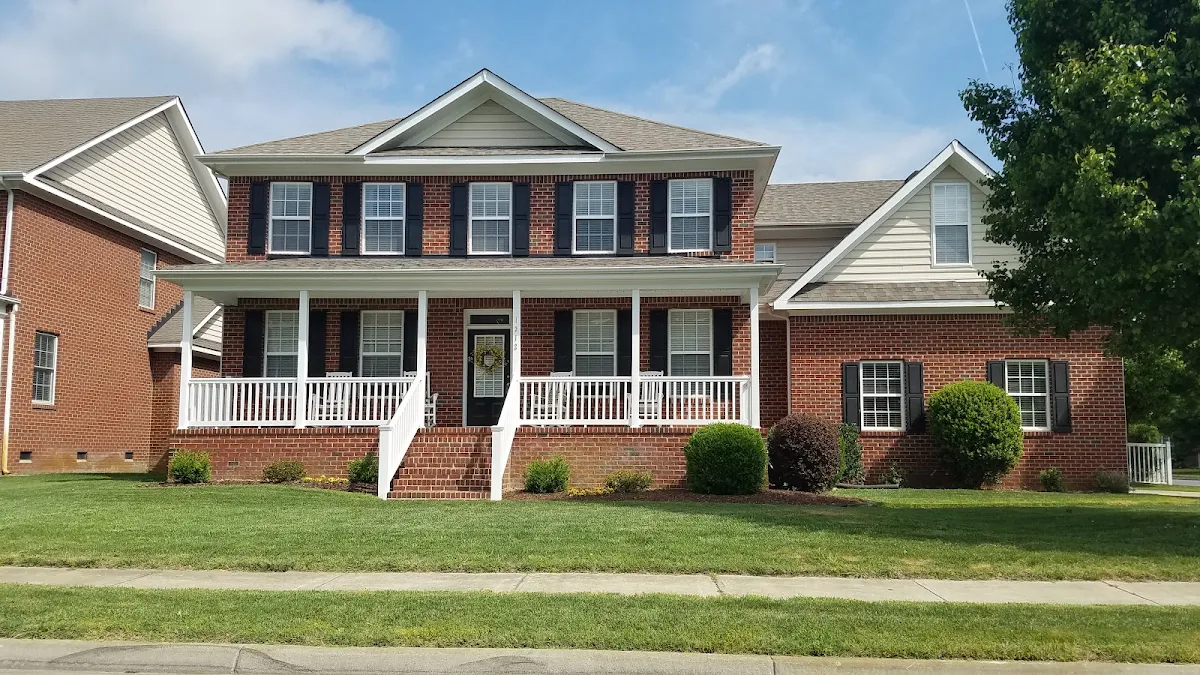
For an FSBO seller, the report is most useful when it becomes part of a clear decision process. Know what it establishes, organize the records behind the property description, and separate value questions from contract and closing questions.
How an FSBO appraisal can help before listing
Owners often begin with an online estimate, a neighbor’s sale price, or the amount they hope to receive after paying off a mortgage. Each may explain the owner’s starting point, but none alone establishes market value.
An appraisal investigates the subject property and relevant market evidence. It can help distinguish an unusually high nearby sale from a genuinely competing property, clarify how condition and area are reported, and provide an independent reference for the pricing decision.
The seller still decides how to market the home. Asking above, at, or below the appraisal conclusion is a separate strategy choice with its own tradeoffs. The report should not be advertised as a guarantee that every buyer, agent, or lender will agree.
If you need help arranging the assignment, see FSBO appraisal services and how to hire. This article focuses on how to use the information once you are preparing to answer buyers and consider offers.
Use the report to answer factual buyer questions
Start by locating the relevant section of the report rather than repeating only the value conclusion. The effective date, property description, assumptions, and comparable analysis help explain what the opinion means.
| Buyer asks | Useful information | Avoid promising |
|---|---|---|
| Why is the home priced this way? | The appraisal’s date, relevant market analysis and your separate pricing decision | That an appraised value guarantees the sale price |
| Why do area figures differ? | Measurements and the categories included in each source | That every finished room belongs in the same area total |
| Were the updates considered? | Dates, scope of work and the report’s condition description | That every dollar spent adds a dollar of value |
| Is the house free of defects? | Separate inspection and specialist information | That an appraisal certifies physical condition |
| Will my bank accept this report? | The lender’s own ordering and valuation requirements | Automatic lender acceptance of your private appraisal |
When sharing a report, ask the appraiser about the appropriate distribution and explain its intended use. Providing a copy does not automatically make the recipient an intended user or turn the original assignment into a lender appraisal. Avoid presenting selected pages in a way that omits a material limitation.
Resolve square-footage questions early
A listing, tax record, old floor plan, and appraisal may display different totals. Before choosing the largest one, establish what each number includes and how it was measured. Additions, finished rooms over garages, below-grade areas, and detached spaces can require separate explanation.
Home measuring services can help document size for a defined purpose. A measurement is different from an appraisal and does not establish legal boundaries or guarantee that another organization will use the same reporting categories.
For Hampton Roads properties with additions or enclosed outdoor spaces, gather available plans, permits, and improvement dates. Give buyers accurate information rather than relying on an older listing description that may never have been checked.
Compare offer terms separately from market value
If the listing is attracting little response, see what to review when your house is not selling.
If you are selling to a family member, establish market value separately from the price your family agrees to accept, and check financing requirements before ordering a private report.
The appraisal addresses a value question. An offer adds transaction terms: price, financing, concessions, contingencies, timing, and other obligations. A larger headline price is not the entire comparison.
A useful worksheet records each offer’s price, requested seller credits, included personal property, financing terms, contingencies, and proposed closing date. Have the appropriate real estate or legal professional help you interpret the contractual effect. The appraisal does not replace that advice.
Hypothetical example: A $420,000 offer requests a $12,000 seller credit, while a $412,000 offer requests no credit. Subtracting only that credit produces $408,000 and $412,000 for this limited comparison. These are not appraised values or complete net proceeds. Other costs and terms still need to be considered.
Seller proceeds also depend on items such as mortgage payoff, agreed transaction expenses, prorations, and closing charges. A valuation report does not determine those amounts. Request a transaction-specific estimate from the closing or settlement professional rather than treating appraised value minus the mortgage balance as a final proceeds calculation.
What if the buyer’s lender appraisal differs?
A privately commissioned appraisal and a later lender appraisal can have different clients, intended uses, dates, scopes, and information. A difference in conclusions deserves a careful comparison, not an assumption that one appraiser must change the result to match the other.
Check the property facts, effective dates, relevant condition changes, and comparable evidence. If you identify a specific factual concern, provide supporting documentation through the lender’s designated process. The guide to reconsideration of value explains the role of a focused, evidence-based request.
An earlier report can provide useful background, but it does not require a later appraiser to adopt its conclusion. The parties’ options if financing is affected depend on their contract and circumstances; seek appropriate professional advice about those decisions.
Keep inspections and seller disclosures separate
An appraisal observes and analyzes the property within its valuation scope. It does not replace a home inspection, a pest or moisture inspection, or other specialist work. Buyers may reasonably ask for information beyond what the appraisal establishes.
Selling without an agent also does not make appraisal content a substitute for required transaction disclosures. Review the current Virginia DPOR residential property disclosure resources and obtain help appropriate to your transaction. The applicable forms and obligations should be checked when the sale is arranged.
Build a useful seller information packet
- Property identity: Address, parcel information and relevant ownership details.
- Area documentation: Available plans or measurements with their sources and dates.
- Improvement history: What changed, when it changed, and supporting records.
- Condition information: Known issues, completed repairs and separate inspection reports where available.
- Appraisal context: The report’s effective date, intended use and important limitations.
- Offer comparison: A separate record of price, credits, contingencies and timing.
Keep factual documents organized and identify uncertainty openly. A missing permit record, unclear area total, or undated photograph should be investigated rather than described more confidently than the evidence allows. Before distributing documents, consider whether they contain private information unrelated to the buyer’s question.
Common questions about FSBO appraisals
Is an appraisal required to sell a house by owner?
A seller’s private appraisal is not a universal prerequisite to listing a home. Whether a lender or another party requires a valuation depends on the transaction. A seller may choose one for independent pricing information.
Will a pre-listing appraisal prevent a low lender appraisal?
No. It can help you understand evidence and property facts, but cannot guarantee a later appraisal result. Dates, information, requirements, and market conditions may differ.
Can I advertise that the house is “worth” the appraised amount?
Describe the report accurately, including its effective date and relevant context. Do not imply the conclusion guarantees a current sale price or applies to a condition different from the one analyzed.
Does an FSBO sale automatically have a different market value?
The selling arrangement does not establish a universal value discount or premium. The appraiser analyzes the property and relevant market evidence. Transaction expenses and seller proceeds are separate questions.
When should I arrange the appraisal?
Discuss it early enough for the report to inform your decision, while being clear about planned work and marketing timing. Agree on delivery with the appraiser rather than assuming a fixed turnaround.