
Guest postBy Liz Abrams
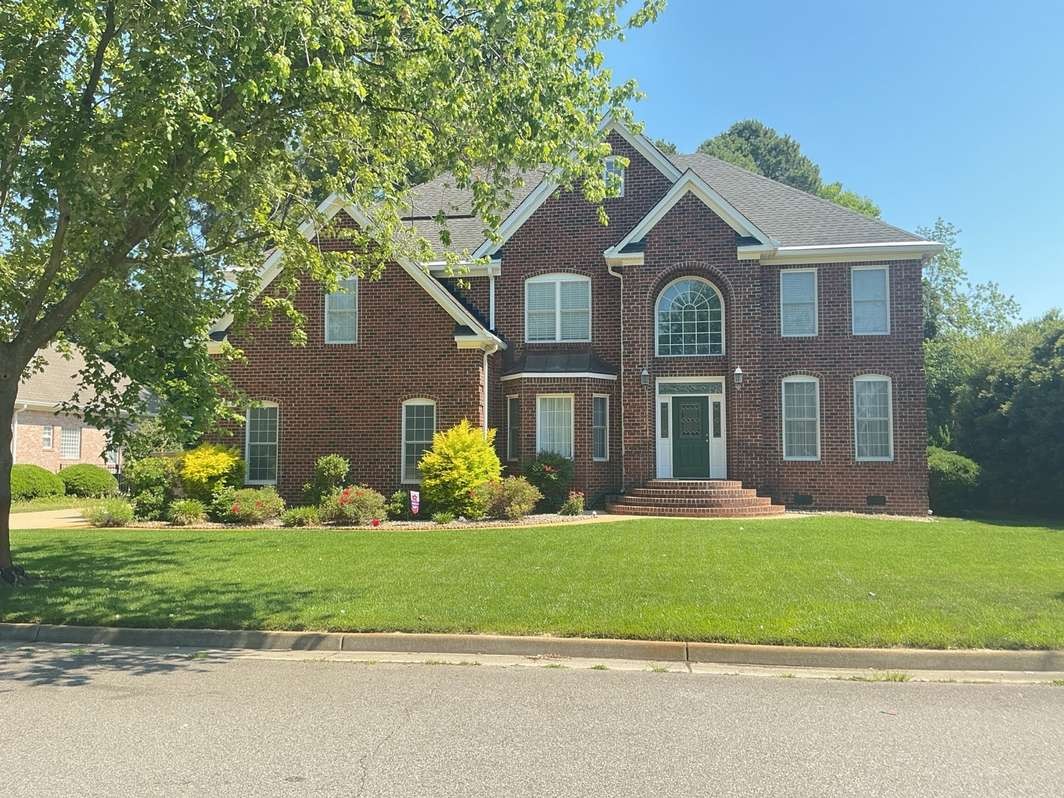
You are ready to move. Maybe you have military orders, a new job, or plans to purchase another home. Then you look at the numbers.
The appraisal comes back lower than expected. The market analysis suggests a price below what you had in mind. Or, after reviewing the estimated proceeds, you realize selling would leave you with much less than you need.
That is a frustrating place to be. But before you assume your only choices are to accept a disappointing sale or put your plans on hold, there is another question worth asking:
Could renting your home make more sense than selling it right now?
A real estate agent and a property manager can help you compare both options. The conversation does not have to end when selling is not the right fit.
Start With What Selling Would Actually Leave You
There is a difference between owing more than your home is worth and simply not receiving the proceeds you hoped for.
For example, a hypothetical $350,000 sale with a $325,000 mortgage payoff leaves $25,000 before selling expenses and other adjustments. That does not mean you would receive a $25,000 check at closing. Commissions, settlement charges, and any agreed seller-paid costs still need to be considered.
Your mortgage statement also may not show the exact amount needed to pay off the loan. A payoff figure can include interest through the payoff date and other applicable charges. Ask your mortgage servicer for an accurate payoff amount rather than relying only on the current balance.
A useful first step is to have your real estate agent prepare an estimated seller net sheet. Compare what you might actually receive with what you need for your next move.
Sometimes that exercise reveals that selling is more workable than expected. Other times, it gives you a clear reason to investigate renting.
The goal is to make the decision using the full picture, not just the number at the top of a listing or appraisal.
Moving Away and Selling Do Not Have to Be the Same Decision
You may be ready to leave the house without being ready to sell it.
That is the possibility worth exploring.
For a homeowner who can afford the responsibilities of keeping the property, renting may provide income to help cover ownership costs while allowing a job change, relocation, or other move to proceed. The important question is whether the expected income and expenses support that plan.
You do not have to decide to become a lifelong landlord. You can evaluate a rental strategy with a future sale in mind.
Start with questions such as: What could this home realistically rent for? What would it cost to prepare it? What would we need to contribute each month, if anything? How much financial cushion would we need?
A rental analysis from a local property manager can help establish a market-based rent estimate and give you a starting point for that comparison.
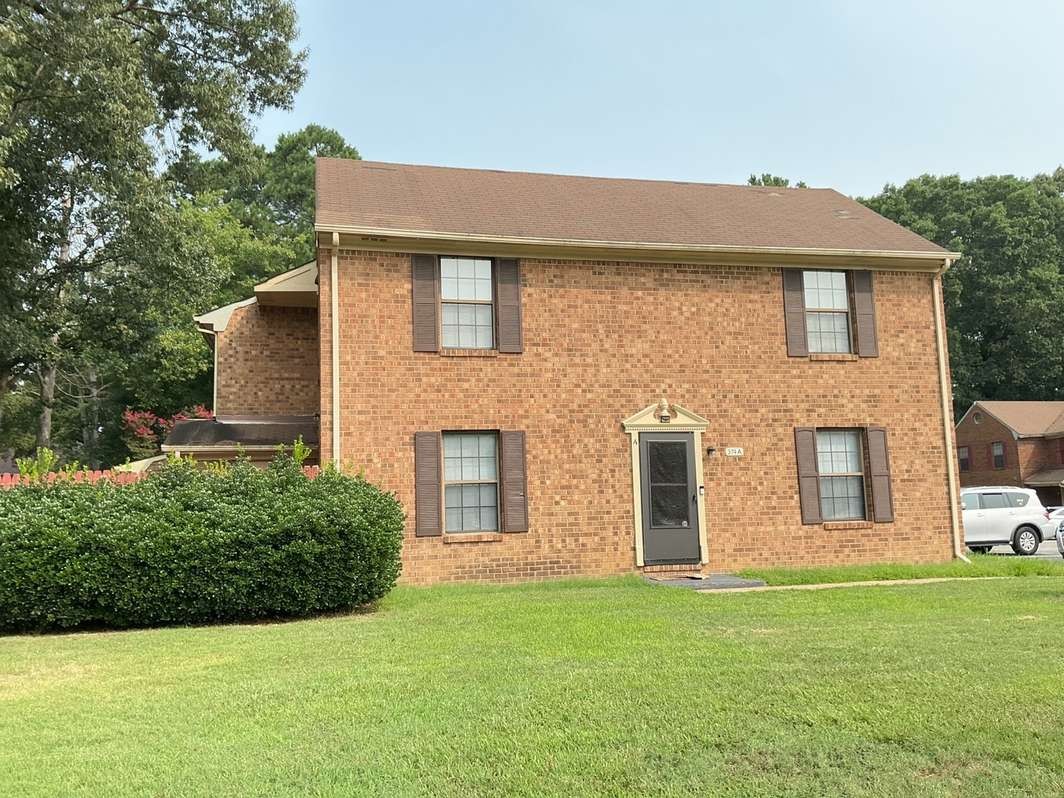
The Rental Numbers Need to Work, Too
“The rent should cover the mortgage” is a starting point, not a complete plan.
Rental ownership also involves expenses such as insurance, property taxes, management fees, maintenance, repairs, and potentially owner-paid utilities. Those rental expenses need to be included when you evaluate the property.
A useful rental budget includes three parts:
- Expected income: A realistic rental estimate, with an allowance for vacancy or missed payments rather than an assumption that every month will go perfectly.
- Ownership and management costs: Mortgage payments, taxes, appropriate insurance, association dues, management and leasing fees, and any owner-paid services. Avoid counting taxes and insurance twice when they are already included in your mortgage payment.
- Cash reserves: Money available for getting the home rent-ready, repairs, larger replacements, and periods when the property is not producing enough income.
Here is a simple hypothetical example: If rent is $2,500 and your mortgage payment, including taxes and insurance, is $2,200, that $300 difference is not automatically profit. Other expenses and reserves still have to come out of it.
The right question is:
“Can I comfortably own this property through an ordinary year, including the months that do not go according to plan?”
If keeping the home would stretch your finances too far, selling may still be the better decision, even at a lower price than you hoped. Renting should solve a problem, not create a larger one.
Renting Can Give You Time to Build Equity, but It Is Not a Guarantee
One potential benefit of keeping the property is the opportunity to continue paying down the mortgage.
On a typical amortizing mortgage, the principal portion of each payment reduces the amount you owe. The interest portion does not. Rental income may help you make those payments, but the entire mortgage payment does not become equity.
Home values matter, too. If the property’s value stays the same while your loan balance decreases, your equity increases. If values fall, that decline can offset some or all of the progress made by paying down the loan.
That is why “rent it until the market goes up” is not enough of a strategy.
A stronger plan evaluates whether you can afford to hold the property without depending on appreciation, then sets a time to review your position again. Your future decision should consider the remaining loan balance, the home’s value, rental performance, expenses, and your personal goals.
Renting may give you more time and more options. It does not promise a particular sale price later.
Military Orders Can Change Your Timeline Before You Are Ready
For a military homeowner, this decision can feel especially pressing. You may have a report date to meet while still working through what to do with your home.
A Navy PCS, another military reassignment, or a civilian relocation is a reason to review your options early. Consider what selling now would mean alongside what it would take to keep the home as a rental.
Look at your relocation plans and your property options together rather than treating them as separate decisions. A real estate agent and property manager can help you compare the practical steps involved in selling or renting before your move.
Before committing to renting, review your mortgage’s occupancy requirements, association rules, insurance coverage, and applicable rental requirements with the appropriate professionals. If you also plan to purchase another home, ask your lender to evaluate that plan before you commit to keeping the current property.
A tax conversation belongs in the planning stage as well. Converting a primary residence to a rental can affect depreciation and the tax treatment of a later sale. A qualified tax professional can help you evaluate the timing and rules that apply to your situation, including any relevant military provisions.
You Can Own a Rental Without Managing Every Detail Yourself
Perhaps the numbers are worth exploring, but the idea of becoming a landlord stops you.
Who will market the home? Review applications? Communicate with residents? Coordinate repairs when you are several states away?
Those are practical questions, and they are exactly where professional property management comes into the conversation.
A professional property management team can help with marketing, tenant screening, rent collection, maintenance coordination, inspections, and owner financial reporting.
Having a property manager does not remove the expenses or risks of ownership. It gives you professional support for handling the day-to-day work.
For someone who never planned to own a rental, that support may make the option worth considering.
Rent Now, Revisit Selling Later
Choosing to rent does not have to mean abandoning your original goal of selling.
Set a review point from the beginning. Before making future leasing decisions, revisit your property’s performance, your financial position, and what you want to do next.
Has keeping the home worked for you? Have your plans changed? Would selling now better support your goals?
When selling becomes the right next step, a real estate agent can help you evaluate pricing, preparation, and a timeline that takes the property’s occupancy into account. Coordinating with your property manager can help you plan that transition.
The objective is not to keep you renting indefinitely. It is to help you make each decision with a clear understanding of your options.
A Disappointing Number Does Not Have to End the Conversation
Before you decide that a lower appraisal or smaller-than-expected sale proceeds leave you with no good choices, take time to compare the possibilities.
What would selling now look like? What could renting look like? Which option better supports where you need to go?
Start with a realistic estimate of your potential sale proceeds and a rental analysis. Compare the expected costs, cash reserves, and responsibilities of each option before deciding how to move forward.
Sometimes the right move is selling now. Sometimes it is renting first.
The win is not simply completing a transaction. It is finding a plan that makes sense for you.
This article provides general information, not individualized financial, tax, legal, or mortgage advice. Rental income, occupancy, appreciation, and future sale proceeds are not guaranteed. Consult the appropriate professionals before making a decision.
About the Author
Liz Abrams is the CEO and Principal Broker of Abrams Realty, a Virginia Beach real estate brokerage providing residential sales and property management services throughout Hampton Roads. She works with homeowners and investors to evaluate their options for buying, selling, and managing rental property.