
Your home’s insurance replacement-cost estimate and its appraised market value can differ because they answer different questions. Replacement cost concerns rebuilding or repairing the insured improvements under the relevant coverage terms. Market value concerns the property in its real-estate market, including the land and the rights being appraised.
A difference is not, by itself, evidence that the appraisal is wrong or the policy limit is appropriate. Compare the definitions and property facts before comparing the dollar amounts.
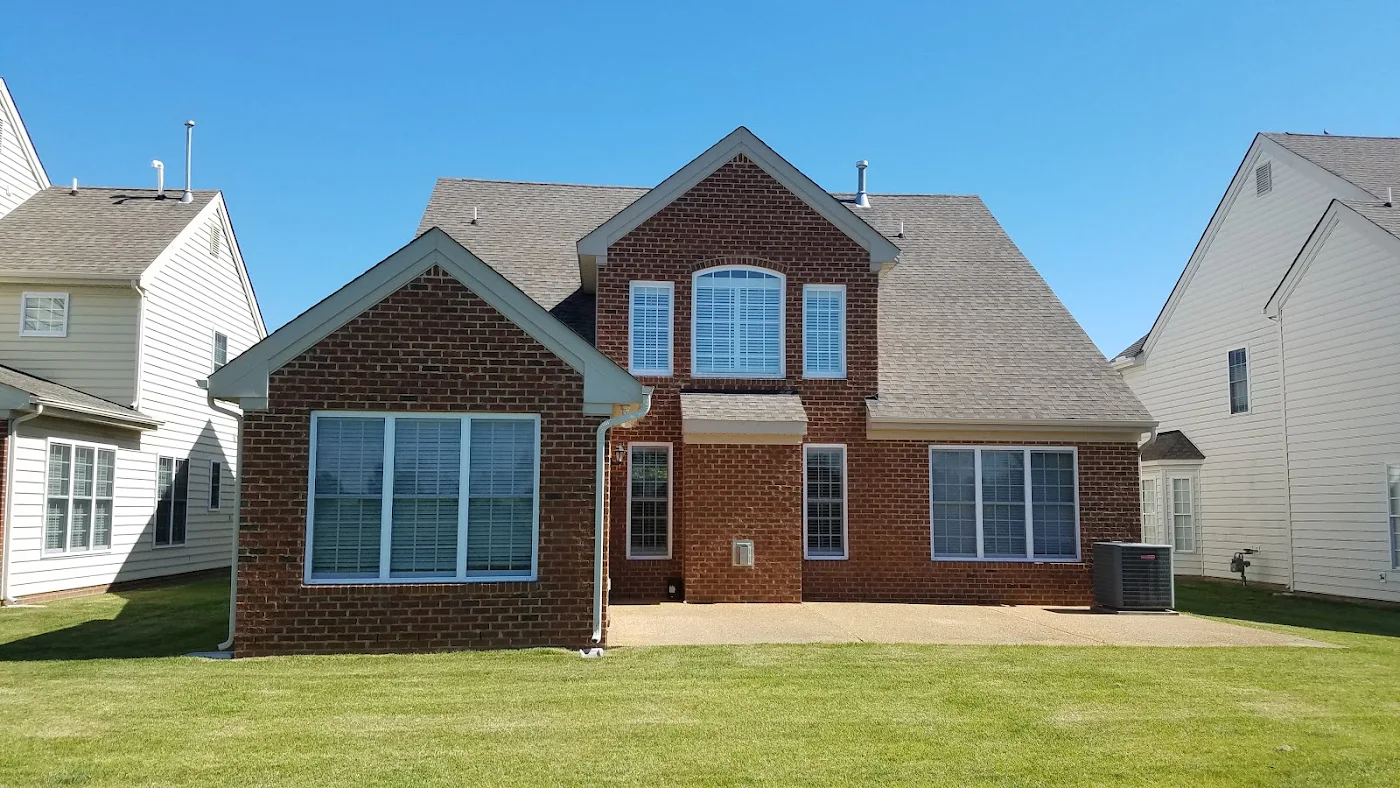
Identify what each number measures
| Number | Question it addresses |
|---|---|
| Appraised market value | What is the defined real-property interest worth in its market as of the effective date? |
| Insurance replacement-cost estimate | What may it cost to rebuild or replace the covered improvements under the relevant assumptions? |
| Policy coverage limit | What amount of coverage is stated, subject to policy provisions? |
| Tax assessment | What value is recorded for the locality’s property-tax process? |
The National Association of Insurance Commissioners distinguishes replacement-cost coverage from actual-cash-value coverage and market value. Coverage details, exclusions, limits, and deductibles belong in a discussion with your insurance professional.
Land and location affect the comparison
A buyer purchases more than the materials in a building. The site, location, access, property rights, and competing alternatives can affect market value. Those factors do not translate directly into a contractor’s price to reconstruct the dwelling.
For a Hampton Roads home, a waterfront location or particular site may matter to buyers in ways that differ from the rebuilding estimate. That does not establish a standard waterfront premium or a fixed relationship between the two values. The actual property and assignment require analysis.
Building characteristics can pull costs in another direction
An older home may contain construction details that would be costly to reproduce. Buyers may or may not pay an equivalent premium for those features in the existing property. Labor, materials, rebuilding assumptions, and the condition of the existing home can therefore lead to different cost and market conclusions.
Review the underlying description. Incorrect floor area, story count, finish level, or missing additions can affect either analysis. Give each professional accurate records, but do not assume that correcting one fact produces the same dollar change in both systems.
Do not use a market appraisal to set coverage automatically
Homeowners have asked me why their insurance replacement-cost estimate differs from my appraisal. I explain that my market-value assignment develops an independent opinion of what the real property is worth for the stated date and purpose. I refer questions about replacement coverage and policy limits to their insurance agent. The insurance figure does not set my appraisal conclusion.
A residential market-value report should not be treated as an insurance coverage recommendation. Even if a report includes a cost approach, that section was developed for the stated appraisal assignment. It is not automatically a replacement-cost study prepared to an insurer’s requirements.
If your insurer requests an appraisal or cost estimate, get its requirements before hiring someone. Share those instructions when you inquire.
A hypothetical comparison
Imagine two physically similar homes on different sites. Buyers may pay more for one location, while the cost of rebuilding comparable structures may be closer. Now imagine an older house with unusually expensive craftsmanship in a market that does not fully reward it. Its rebuilding estimate could exceed the market value of the existing property.
These are illustrations, not local sale observations or formulas. Neither scenario establishes what your home should be insured for.
Ask the right follow-up question
If you are deciding whether to sell, buy, or divide ownership, explain that market-value purpose to the appraiser. If you are questioning a dwelling limit or claim settlement, ask the insurer or licensed insurance adviser to explain the policy and the estimate. A home inspection answers a different physical-condition question; see our inspection and appraisal comparison.
For a private residential value question, contact Capital Valuations with the address, intended use, date, and the document you are trying to understand. Our pre-listing appraisal service addresses seller decisions about market value.