Why the Housing Market Today Is Different From 2008
JOSEPH ELLINGTON
November 2, 2022
Capital Valuations
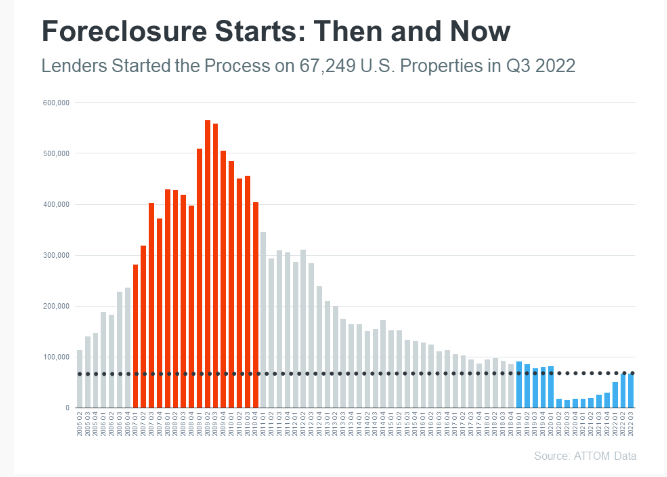
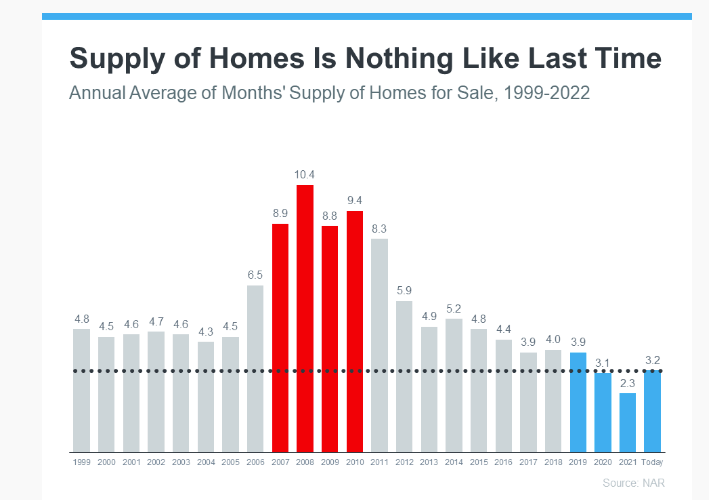
The housing market is a dynamic entity, constantly influenced by economic conditions, regulatory changes, and consumer behavior. Reflecting on the tumultuous period of 2008, many homeowners and prospective buyers wonder if today's market shares similarities or if it has evolved to prevent a repeat of the past. This comprehensive guide delves into the key differences between today's housing market and the 2008 crisis, highlighting the factors that contribute to a more stable and resilient real estate landscape.
Understanding the 2008 Housing Crisis
The 2008 housing crisis was a pivotal moment in real estate history, characterized by a sudden decline in housing prices, a surge in foreclosures, and significant financial losses for homeowners and investors alike. The crisis was fueled by several factors:
- High-Risk Mortgage Lending: Lenders issued mortgages to borrowers with poor credit histories without adequate verification of income or assets.
- Subprime Mortgages: The proliferation of subprime mortgages, which were loans given to individuals with lower creditworthiness, increased the risk of default.
- Housing Bubble Burst: Rapidly rising home prices led to a bubble that eventually burst, causing prices to plummet.
- Financial Derivatives: Complex financial instruments tied to mortgage-backed securities amplified the impact of the housing downturn.
The aftermath of the crisis saw stricter lending regulations and a reevaluation of mortgage practices to prevent such a collapse from occurring again.
Key Differences Between Today’s Housing Market and 2008
While the housing market today faces its own set of challenges, several critical differences set it apart from the 2008 crisis:
- Stricter Lending Standards: Post-2008 regulations have enforced higher credit score requirements, larger down payments, and thorough income verification, reducing the risk of loan defaults.
- Regulatory Oversight: Laws such as the Dodd-Frank Act have increased transparency and accountability in the mortgage industry, ensuring more responsible lending practices.
- Improved Financial Stability: Financial institutions are now better capitalized and subject to stricter oversight, making them more resilient to economic shocks.
- Technology and Data Analytics: Advances in technology allow for better risk assessment and fraud detection, enhancing the overall health of the housing market.
- Consumer Awareness: Homebuyers today are more informed about mortgage terms and the importance of financial planning, leading to more prudent borrowing decisions.
- Diversified Mortgage Products: A wider range of mortgage products caters to different financial situations, allowing for more flexibility without compromising on security.
Economic Factors Influencing Today’s Housing Market
Several economic factors play a significant role in shaping today's housing market:
- Interest Rates: Current interest rates influence mortgage affordability and demand for homes. Lower rates can stimulate buying activity, while higher rates may cool the market.
- Employment Rates: Stable employment contributes to consumer confidence and the ability to afford home purchases, supporting the housing market.
- Inflation: Rising inflation can affect purchasing power and the overall cost of living, impacting home affordability and market dynamics.
- Supply and Demand: The balance between available housing inventory and buyer demand directly affects home prices and market health.
- Government Policies: Incentives for first-time homebuyers, tax benefits, and housing subsidies can influence market activity and accessibility.
Understanding these economic factors is essential for homeowners and investors to make informed decisions in a fluctuating market.
Case Studies: Learning from the Past to Navigate the Present
Case Study 1: Sarah’s Smart Home Purchase
Sarah was eager to purchase her first home amidst rising market prices. Leveraging the improved lending standards and obtaining a professional home appraisal from Capital Valuations, she secured a mortgage with favorable terms. Her informed approach and adherence to financial best practices ensured a smooth purchase process, free from the pitfalls that characterized the 2008 market.
Case Study 2: Michael’s Strategic Refinancing
Michael wanted to refinance his mortgage to take advantage of lower interest rates. By obtaining a comprehensive home appraisal, he demonstrated his property's increased value, allowing him to refinance without PMI and reduce his monthly payments significantly. This strategic move provided him with greater financial flexibility during uncertain economic times.
Testimonials
Emily R.
"Capital Valuations made the process of removing my PMI seamless. The appraisal was thorough, and the savings have made a significant difference in my monthly budget."
Rating: ★★★★★
Mark T.
"I was skeptical at first, but the team at Capital Valuations proved invaluable. Their expertise helped me save over $3,000 a year."
Rating: ★★★★★
Linda S.
"Thanks to Capital Valuations, I no longer have to worry about PMI payments. Their professional service exceeded my expectations."
Rating: ★★★★★
James K.
"The appraisal process was straightforward and efficient. I highly recommend Capital Valuations for anyone looking to remove PMI."
Rating: ★★★★★
Sarah M.
"Capital Valuations helped me understand the value of my home better. Removing PMI was a game-changer for my finances."
Rating: ★★★★★
Robert L.
"Professional and reliable service. The appraisal was detailed and helped me save a significant amount annually."
Rating: ★★★★★
Jessica P.
"I appreciate the personalized approach Capital Valuations took. Removing PMI has allowed me to allocate funds to other important areas."
Rating: ★★★★★
How to Get Started
If you're looking to navigate today's housing market with confidence, a professional home appraisal is your first step. Capital Valuations offers expert appraisal services tailored to your needs. Here's how you can get started:
- Contact Us: Reach out to us at 757-831-6234 or click the "Call us now" button below to speak with one of our friendly representatives.
- Schedule an Appointment: We'll work with you to find a convenient time for your home appraisal.
- Prepare Your Home: Use our Home Appraisal Checklist to ensure your home is ready for the appraisal process.
- Receive Your Appraisal Report: After the appraisal, you'll receive a detailed report outlining your home's current market value.
- Take Action: Use the appraisal report to make informed decisions about refinancing, selling, or leveraging your home's equity.
Contact us today at 757-831-6234 to schedule your appraisal and take control of your real estate investments.
Frequently Asked Questions About the Housing Market
What were the main causes of the 2008 housing crisis?
The 2008 housing crisis was primarily caused by a combination of high-risk mortgage lending practices, excessive borrowing, the collapse of the housing bubble, and the failure of financial institutions to manage mortgage-backed securities.
How have lending standards changed since 2008?
Since 2008, lending standards have become significantly stricter. Lenders now require higher credit scores, larger down payments, and more thorough documentation to approve mortgages, reducing the risk of default.
What regulatory changes have been implemented post-2008?
Post-2008, regulations such as the Dodd-Frank Act were introduced to increase transparency, reduce risky lending practices, and protect consumers. These regulations have led to more responsible lending and greater oversight of financial institutions.
Are current economic conditions similar to those before the 2008 crisis?
While there are some economic uncertainties today, such as fluctuating interest rates and global economic pressures, the underlying financial systems and lending practices are more robust and regulated compared to pre-2008 conditions.