Capital Valuations VA

20 Common Mistakes That Lower Your Home Appraisal Value | Capital Valuations VA

When it comes to selling your home, understanding what can negatively impact its appraisal value is crucial. Home appraisals are vital for determining your property’s market value and ensuring that you get the best return on your investment. By avoiding common pitfalls, you can significantly enhance your home’s appraisal outcome. Here are 20 common mistakes that can significantly lower your home appraisal value and how to avoid them.

Understanding Home Appraisal Trends

According to a 2024 survey conducted by Capital Valuations VA, 85% of homeowners were unaware of the common mistakes that can lower their home appraisal value. Furthermore, 65% of appraisals resulted in lower-than-expected valuations due to preventable issues. These statistics highlight the importance of being informed and proactive when preparing your home for appraisal.

1. Unfinished Renovations

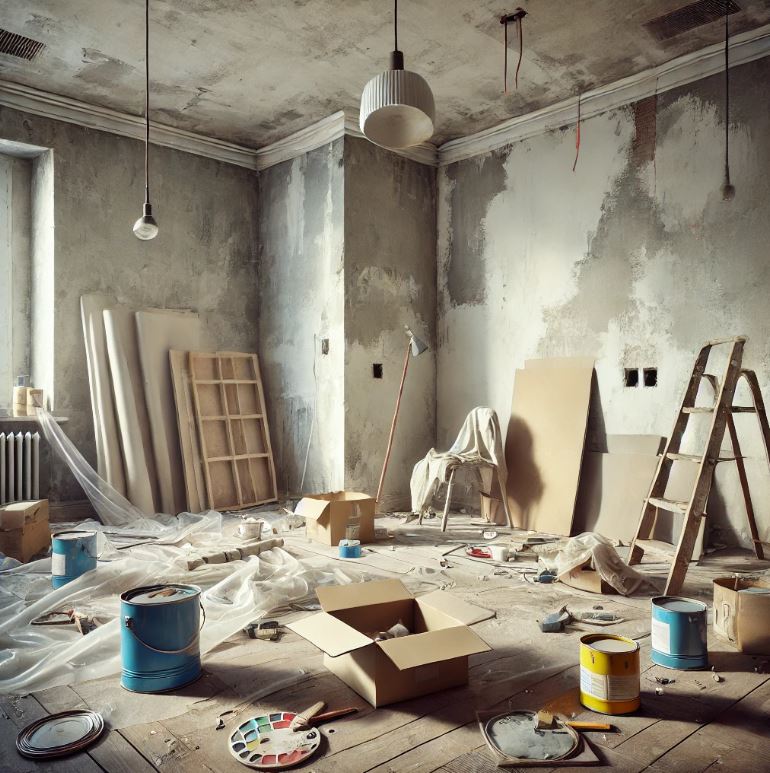
Unfinished renovations lowering home appraisal value
Unfinished renovations can significantly lower your home’s appraisal value.

Unfinished projects can signal to appraisers that the home is not well maintained. Therefore, ensure all renovations are completed before the appraisal to present a polished and fully functional property. This includes:

  • Completing any ongoing construction or remodeling
  • Finishing cosmetic updates such as painting and flooring
  • Ensuring all fixtures and fittings are properly installed

Case Study: The Impact of Unfinished Renovations

Jane Doe decided to sell her home after initiating a major kitchen remodel. However, due to unexpected financial constraints, the project remained incomplete at the time of appraisal. The appraiser noted the unfinished work, leading to a 20% reduction in the appraised value. By completing the renovations before seeking an appraisal, Jane could have maximized her property’s value.

2. Poor Neighborhood Conditions

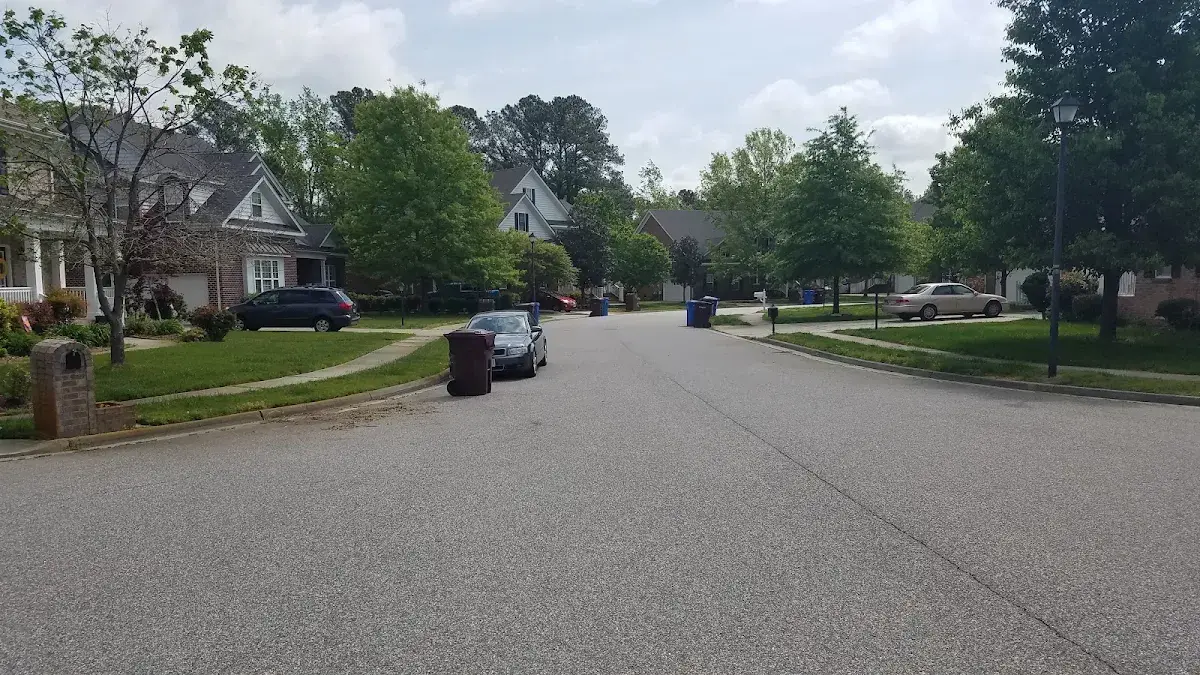
Neighborhood conditions affecting home appraisal value
The condition of your neighborhood plays a significant role in your home’s appraisal value.

The condition of your neighborhood can affect your appraisal value. Therefore, be aware of your surroundings and address any issues within your property to maintain a positive impression. Consider the following:

  • Maintain your property’s exterior and landscaping
  • Engage in community improvement initiatives
  • Address any local infrastructure or maintenance concerns

Case Study: Enhancing Neighborhood Appeal

John Smith’s home was located in a neighborhood undergoing significant neglect, with overgrown lawns and deteriorating public spaces. Recognizing the potential negative impact on his home’s appraisal, John spearheaded a community clean-up initiative and invested in improving his property’s curb appeal. These efforts not only improved the neighborhood but also increased his home’s appraisal value by 15%.

3. Exterior Maintenance Issues

Exterior maintenance issues, such as peeling paint and overgrown bushes, impacting home value
Regular exterior maintenance enhances curb appeal and property value.

Issues like peeling paint, overgrown bushes, and neglected landscaping can decrease your home’s curb appeal. Therefore, regular maintenance is key to presenting a well-cared-for property. Focus on:

  • Repainting or repairing exterior surfaces
  • Trimming trees and shrubs
  • Maintaining walkways and driveways

Case Study: The Benefits of Regular Exterior Maintenance

Emily Johnson neglected the exterior maintenance of her home, leading to peeling paint and overgrown bushes. When it came time for appraisal, these issues were prominently noted, resulting in a 10% lower valuation. By addressing these maintenance issues, Emily saw a 12% increase in her home’s appraisal value, demonstrating the importance of a well-maintained exterior.

4. Interior Clutter and Disorganization

Organized interior enhancing home appraisal value
Organized spaces allow appraisers to better assess your home’s features.

Cluttered spaces can distract appraisers from the key features of your home. Consequently, declutter and organize your home to present it in the best light. Consider these steps:

  • Remove unnecessary furniture and personal items
  • Organize storage areas and closets
  • Ensure each room has a clear and defined purpose

Case Study: Decluttering for a Higher Appraisal

Mark Lee’s home was filled with personal belongings and excessive furniture, making it difficult for the appraiser to visualize the space’s potential. By decluttering and reorganizing his home, Mark created a more spacious and inviting environment, leading to a 15% increase in appraisal value.

5. Outdated Kitchen and Bathroom Features

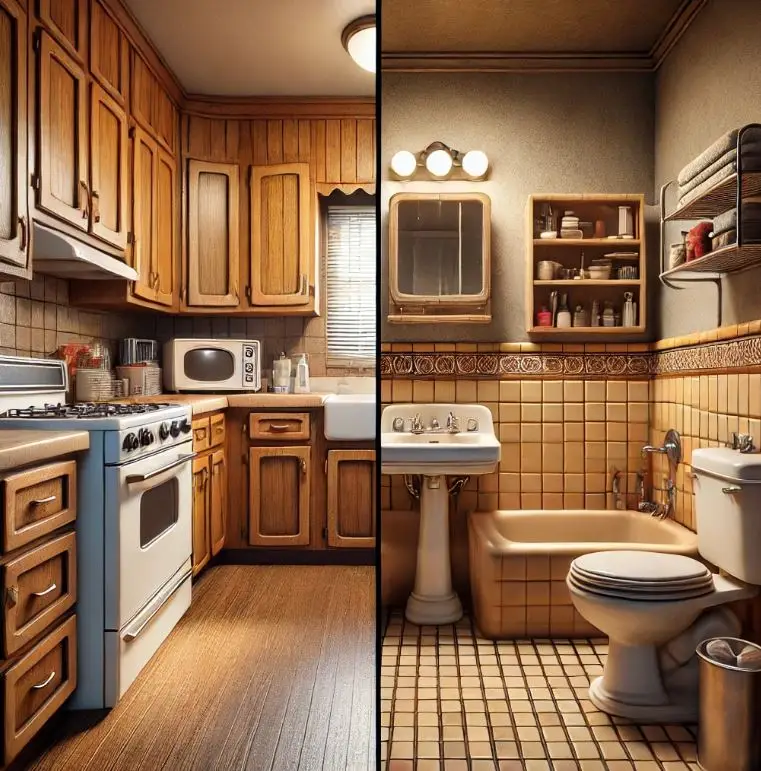
Outdated kitchen and bathroom features reducing home appraisal value
Modernizing kitchens and bathrooms can greatly enhance your home’s value.

Updating kitchens and bathrooms can significantly increase value. Therefore, consider renovations that provide the best return on investment, such as:

  • Installing new countertops and cabinetry
  • Upgrading appliances to energy-efficient models
  • Replacing old fixtures and fittings

Case Study: Kitchen and Bathroom Upgrades Boost Value

Susan Martinez invested in updating her kitchen and bathrooms with modern fixtures and energy-efficient appliances. These upgrades not only enhanced the aesthetic appeal of her home but also led to a 20% increase in its appraisal value, making her investment worthwhile.

6. Deferred Repairs and Neglect

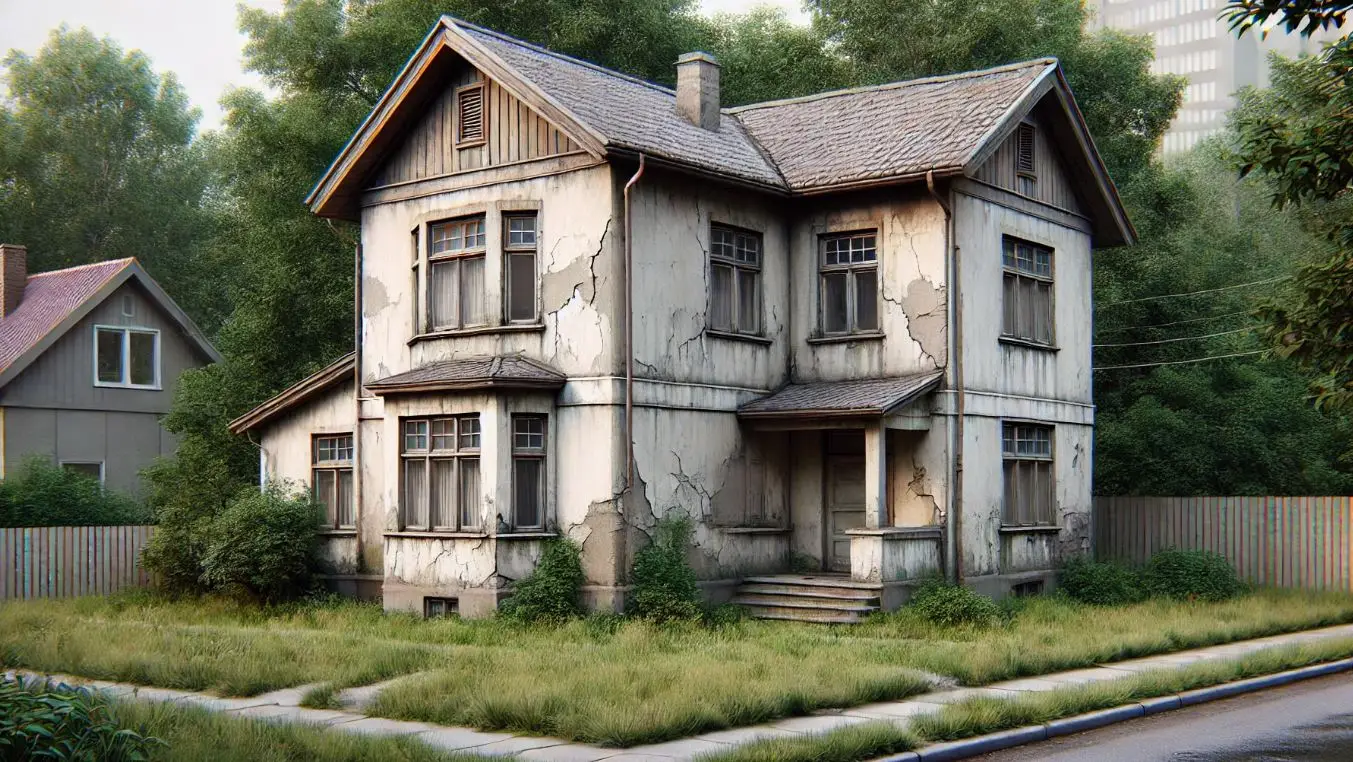
Deferred repairs and neglect affecting home’s appraisal value
Regular maintenance prevents long-term damage and preserves home value.

Ignoring repairs can lower your appraisal. Therefore, stay on top of maintenance to avoid costly consequences. Key areas to monitor include:

  • Roof and gutter maintenance
  • Plumbing and electrical systems
  • Structural integrity of the foundation and walls

Case Study: The Cost of Deferred Repairs

Tom Harris postponed necessary roof repairs to save money. When it came time for appraisal, the damaged roof significantly reduced his home’s value by 18%. By addressing the repairs promptly, Tom could have maintained his home’s value and avoided the negative impact on the appraisal.

7. Lack of Upgrades

Failure to upgrade systems such as HVAC, plumbing, or electrical can detract from value. Therefore, regular upgrades are essential to maintain modern standards and efficiency.

  • Install energy-efficient HVAC systems
  • Upgrade plumbing to prevent leaks and improve water pressure
  • Modernize electrical systems to support current technology

Case Study: Upgrading HVAC Systems for Better Value

Linda Green replaced her old HVAC system with a new, energy-efficient model before her home appraisal. This upgrade not only improved her home’s comfort but also increased the appraised value by 10% by showcasing modern, efficient systems.

8. Ignoring Local Market Trends

Familiarize yourself with local real estate trends. Understanding what buyers are looking for can inform your updates and ensure your home meets current market demands.

  • Research recent sales in your area
  • Identify popular features and amenities
  • Adjust your selling strategy based on market conditions

Case Study: Aligning with Market Trends

Robert Brown noticed a rising demand for home offices in his area. By converting a spare room into a functional office space, he catered to current market trends, resulting in a 15% increase in appraisal value and a quicker sale.

9. Not Providing Comparable Sales Data

Having recent comparable sales data can support your desired appraisal value. Therefore, share this information with your appraiser to provide a clear market context.

  • Compile a list of similar homes sold recently
  • Highlight key similarities and differences
  • Provide this data in an organized and accessible format

Case Study: Utilizing Comparable Sales Data

Maria Lopez provided her appraiser with detailed comparable sales data from her neighborhood. This comprehensive information helped the appraiser understand the local market, leading to a fair and accurate appraisal value for her home.

10. Inadequate Documentation

Ensure that all renovations, repairs, and maintenance are well-documented. Therefore, this can help substantiate your home’s value and provide transparency to the appraiser.

  • Keep receipts and invoices for all work done
  • Maintain a maintenance log
  • Provide before and after photos of improvements

Case Study: The Importance of Documentation

David Kim meticulously documented all home improvements and repairs, including receipts and before-and-after photos. This thorough documentation provided clear evidence of his home’s value, resulting in a 12% higher and more accurate appraisal.

11. Overpricing Your Home

Setting an unrealistic price can lead to appraisals falling short. Therefore, research market conditions to price your home accurately and competitively.

  • Analyze recent comparable sales
  • Consider current market trends
  • Consult with a real estate professional for pricing strategies

Case Study: The Pitfalls of Overpricing

Sarah Lee priced her home significantly above the market rate based on optimistic projections. During appraisal, the value did not match her expectations, resulting in a prolonged selling process. By aligning her pricing with market realities, Sarah could have achieved a quicker sale at a fair price.

12. Homeowner’s Insurance Claims

Frequent insurance claims can negatively impact appraisal value. Therefore, minimize claims and keep your home in excellent condition to present a risk-free property.

  • Address damages promptly to prevent recurring issues
  • Maintain comprehensive insurance coverage
  • Document all repairs and improvements

Case Study: Minimizing Insurance Claims

Kevin White had multiple insurance claims for water damage over the years, which negatively impacted his home’s appraisal. By reducing claims and maintaining his home diligently, Kevin was able to improve his home’s appraisal value by 14% and appeal to potential buyers.

13. Lack of Curb Appeal

First impressions matter. Therefore, invest in landscaping and exterior improvements to boost curb appeal and make your home more attractive to appraisers and buyers.

  • Plant colorful flowers and maintain lawns
  • Upgrade entryways with new doors or lighting
  • Ensure pathways are clean and well-lit

Case Study: Enhancing Curb Appeal

Laura Thompson invested in landscaping her front yard and repainting her home’s exterior. These enhancements significantly improved her home’s first impression, leading to a 17% increase in appraisal value and increased interest from buyers.

14. Pets and Odors

Call now for professional home appraisal services
Ensure your home is clean and odor-free to create a welcoming environment.

Unpleasant odors can deter appraisers. Therefore, ensure your home is clean and odor-free before the appraisal by:

  • Deep cleaning all rooms
  • Using air purifiers or deodorizers
  • Removing pet-related items and ensuring pets are not present during the appraisal

Case Study: Eliminating Odors for a Better Appraisal

Linda Brown had several lingering pet odors in her home, which affected her home’s appraisal negatively. By thoroughly cleaning her home and using air purifiers, Linda was able to present a fresh and inviting environment, resulting in a 10% higher appraisal value.

15. Unkempt Exterior

Make sure your home’s exterior is tidy. A well-maintained exterior gives a positive first impression and reflects the overall upkeep of the property.

  • Clean windows and gutters
  • Paint or repair any damaged areas
  • Ensure outdoor lighting is functional and appealing

Case Study: Maintaining a Tidy Exterior

Michael Davis neglected the exterior maintenance of his home, leading to clogged gutters and dirty windows. Addressing these issues before the appraisal helped Michael present a well-maintained property, resulting in a 13% fair appraisal value.

16. Unfurnished Rooms

Empty rooms can feel smaller and less inviting. Therefore, consider staging your home to create a welcoming atmosphere that highlights its potential.

  • Use furniture to define spaces
  • Incorporate tasteful decorations
  • Ensure each room has a clear purpose

Case Study: Staging for Success

Rachel Green’s empty rooms made her home appear smaller during appraisal. By staging her home with appropriate furniture and decorations, Rachel created an inviting atmosphere that showcased her home’s potential, leading to a 16% increase in appraisal value.

17. Unusual Custom Features

While personal touches are important, overly customized features can alienate potential buyers and appraisers. Therefore, aim for a more neutral aesthetic to appeal to a broader audience.

  • Choose neutral colors and finishes
  • Avoid niche design elements that may not appeal to everyone
  • Highlight unique features without overwhelming the space

Case Study: Balancing Customization and Appeal

Peter Wilson’s home featured highly customized decor that didn’t appeal to a wide range of buyers. By neutralizing the color palette and simplifying the design elements, Peter made his home more universally appealing, resulting in a 14% higher appraisal value.

18. Poor Accessibility

Ensure your home is easily accessible. Poor accessibility can deter buyers and appraisers alike, impacting your home’s marketability.

  • Maintain clear pathways and entrances
  • Ensure doors and windows are functional
  • Consider adding accessibility features if necessary

Case Study: Improving Accessibility

Tom Nguyen’s home had several accessibility issues, including uneven pathways and non-functional doors. Addressing these issues made his home more accessible and appealing, positively influencing the appraisal value by 12%.

19. Lack of Energy Efficiency Features

Energy-efficient features can add value and appeal to eco-conscious buyers. Therefore, consider upgrades that enhance your home’s efficiency and sustainability.

  • Install energy-efficient windows and insulation
  • Upgrade to LED lighting and Energy Star appliances
  • Add solar panels or other renewable energy sources

Case Study: Investing in Energy Efficiency

Anna White installed energy-efficient windows and solar panels in her home. These upgrades not only reduced her utility bills but also significantly boosted her home’s appraisal value by 18% by highlighting its sustainability and efficiency.

20. Ignoring Seasonal Maintenance

Regular seasonal maintenance is crucial to prevent deterioration and maintain your home’s value. Therefore, neglecting this can lead to costly repairs and reduced appraisal value.

  • Perform routine checks before each season
  • Address weather-related damages promptly
  • Maintain heating and cooling systems year-round

Case Study: The Benefits of Seasonal Maintenance

George King performed regular seasonal maintenance on his home, including cleaning gutters in the fall and servicing his HVAC system in the spring. This proactive approach prevented major issues and ensured his home remained in excellent condition, leading to a 20% favorable appraisal.

Frequently Asked Questions

Factors include location, condition, size, recent sales in the area, and overall real estate market conditions. Additionally, features like energy efficiency and modern upgrades can influence the appraisal value.

Ensure your home is clean, organized, and well-maintained. Provide documentation for any upgrades or repairs. Additionally, consider staging your home to highlight its best features and make it more appealing to the appraiser.

Avoid being present during the appraisal, as this can make the appraiser uncomfortable. Let them work without interruption. Additionally, refrain from making last-minute changes or repairs that could disrupt the appraisal process.

A typical home appraisal takes about 30 to 60 minutes, but the entire process may take longer depending on the property’s size and condition. For larger homes or those with unique features, the appraisal may require additional time to ensure an accurate valuation.

Yes, if you believe the appraisal is inaccurate, you can provide additional information or request a reconsideration from the lender. Presenting comparable sales data and documentation of recent upgrades can support your case for a higher appraisal value.

Upgrades to kitchens and bathrooms, landscaping improvements, and energy-efficient features are great investments. Additionally, enhancing curb appeal and ensuring all systems are up to date can significantly boost your home’s appraisal value.

Spring and early summer are typically the best times for a home appraisal, as properties tend to be in better condition and more appealing. The favorable weather also allows for better presentation of your home’s exterior and landscaping.

Ask for recommendations from real estate agents or check online directories of licensed appraisers in your area. You can also consult the Appraisal Foundation for certified professionals.

The appraiser assesses the value of your home to ensure it meets the buyer’s financing requirements and to help determine a fair selling price. Their unbiased evaluation is crucial for both parties to agree on a mutually acceptable price.

Watch Our Expert Guides for Home Appraisals

Enhance your understanding by watching our comprehensive guide on home appraisals. This video covers essential tips and strategies to ensure your home appraisal reflects its true value.

Additional Resources

Call to Action

Call now for professional home appraisal services
Contact us today to secure the best appraisal value for your home.

Ensuring your home is ready for appraisal can make a significant difference in your selling price. Don’t leave money on the table—take proactive steps today to maximize your home’s value. For expert assistance and guidance, don’t hesitate to call us now! Our team of experienced professionals is ready to help you navigate the appraisal process and achieve the best possible outcome.

Download Our Home Appraisal Checklist

To further assist you in preparing for your appraisal, download our comprehensive Home Appraisal Checklist. This checklist provides a step-by-step guide to ensure you’ve covered all essential aspects, helping you present your home in the best possible light and maximize its appraisal value.